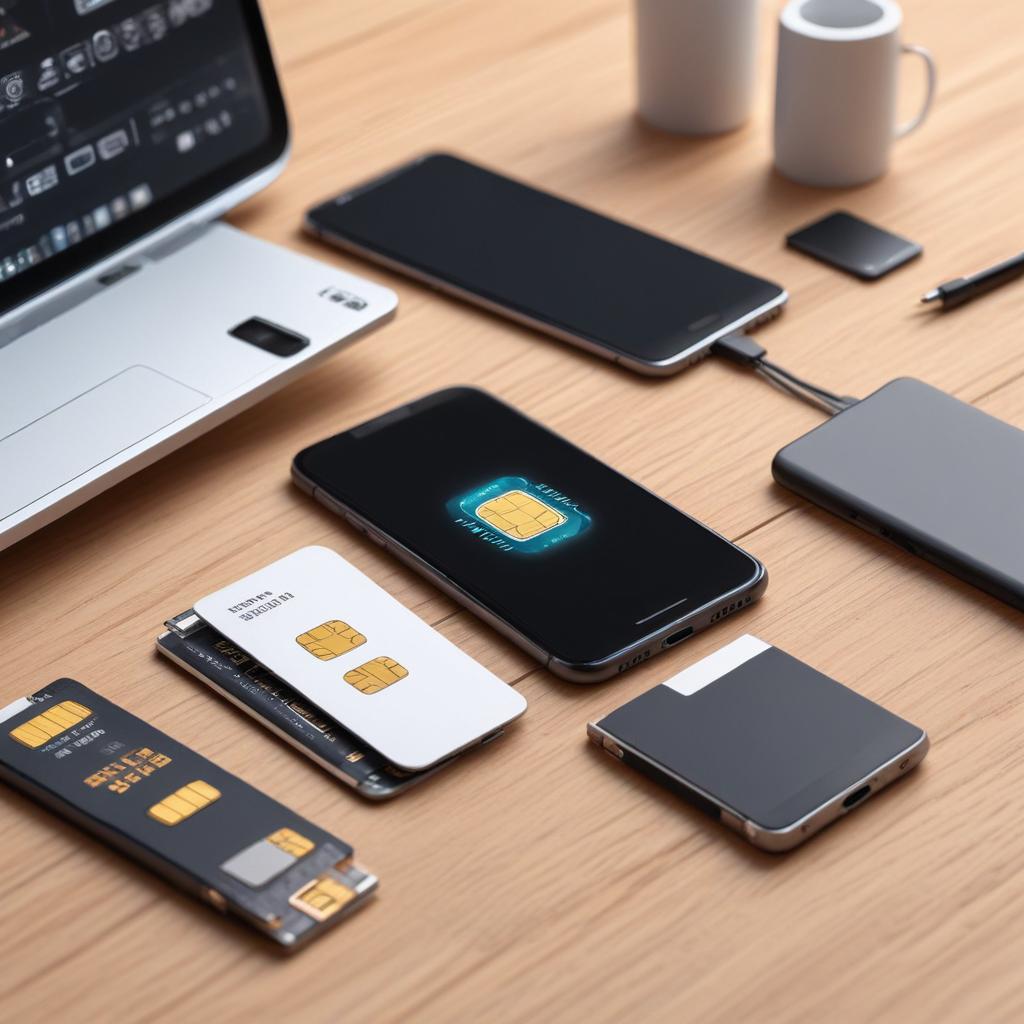
Benefits of eSIM
11/03/2026
Understanding eSIM Technology
eSIM technology, also known as embedded SIM or digital SIM, represents a significant evolution in the way mobile devices connect to cellular networks. Unlike traditional SIM cards, which are physical chips inserted into a device, eSIMs are built directly into the device’s hardware. This embedded nature means there is no need to swap out physical cards when changing carriers or plans, offering greater flexibility and convenience for users.
How eSIM works is based on software that securely stores your mobile network credentials directly on the device. When you activate an eSIM, your device downloads a unique profile containing your carrier information over the internet or through a QR code. This profile allows your device to authenticate with the network and access mobile services without the need for a physical SIM card. This digital SIM approach simplifies the process of switching carriers or adding multiple profiles, all managed through the device’s settings.
One of the key differences between eSIM technology and traditional SIM cards is the form factor. Traditional SIM cards come in various physical sizes—standard, micro, and nano—and require manual insertion into devices. In contrast, an eSIM is an integral part of the device’s circuit board, removing any space constraints related to SIM trays. This integration benefits manufacturers by allowing for slimmer devices and more room for other components such as larger batteries or additional sensors.
Furthermore, eSIM technology enhances security because the embedded chip is less susceptible to physical damage or theft. It also enables better connectivity options; for instance, devices can support multiple eSIM profiles, allowing users to switch between carriers or data plans seamlessly, which is particularly useful for frequent travelers. This capability contrasts with traditional SIM cards, where only one profile per card is possible unless physically changed.
In summary, embedded SIM or digital SIM technology transforms mobile connectivity by eliminating the need for removable SIM cards. By understanding how eSIM works, users can appreciate the convenience, flexibility, and security improvements it offers over traditional SIM cards. This innovative technology is shaping the future of mobile communications, making it easier than ever to stay connected across different networks and regions.
What is an eSIM?
An eSIM, or embedded SIM card, is a digital SIM that is built directly into modern devices, eliminating the need for a physical SIM card. Unlike traditional SIM cards, which are physical chips that users insert and remove from their phones or tablets, the eSIM is integrated into the device’s hardware during manufacturing. This embedded nature allows for a more streamlined design and greater flexibility in how mobile networks are managed.
The eSIM functions as a virtual SIM, meaning it can be programmed remotely by a carrier without requiring a physical swap of cards. This technology simplifies switching between network providers or plans, as users can activate or change their service through software rather than handling a physical card. The eSIM definition highlights this key difference: it is a rewritable SIM profile embedded inside the device rather than a removable chip.
Devices equipped with eSIMs benefit from improved durability since there is no SIM tray or slot that can be damaged or loosened over time. Additionally, eSIMs support multiple profiles, allowing users to store several network identities on one device, useful for international travel or separating work and personal lines. The embedded SIM card technology marks a significant evolution from the traditional physical SIM, offering convenience, efficiency, and enhanced connectivity for the digital age.
How Does eSIM Work?
eSIM functionality represents a significant leap in mobile technology by embedding the SIM card directly into the device rather than relying on a physical card. This embedded SIM is a small chip soldered onto the device’s motherboard, enabling the device to connect to cellular networks without the need for swapping physical SIM cards.
The activation process of eSIM technology is highly streamlined and user-friendly. Instead of inserting a card, users simply download an eSIM profile provided by their carrier. This download can be done via scanning a QR code or entering activation details manually through the device settings. The eSIM securely stores multiple profiles, allowing users to switch between carriers or plans with ease and without the physical constraints of traditional SIM cards.
Once activated, eSIM connectivity is managed digitally, providing a seamless experience. Devices with eSIMs can quickly establish connections to carriers by authenticating the stored profiles, making the transition to different networks faster and more efficient. This digital approach also supports remote provisioning and management, giving users more flexibility and convenience in managing their mobile connectivity.
Overall, the eSIM functionality simplifies network connectivity, enhances device versatility, and contributes to a more flexible and efficient mobile user experience by eliminating the need for physical SIM swaps and streamlining the activation process.
Key Benefits of Using eSIM
One of the most significant advantages of eSIM technology is the unmatched convenience it offers users. Unlike traditional physical SIM cards, eSIMs are embedded directly into your device, eliminating the need to insert, remove, or swap SIM cards when changing carriers or traveling internationally. This digital approach means you can manage multiple cellular plans seamlessly from your device settings, making it incredibly easy to switch between providers or data plans without any hassle.
Flexibility is another core eSIM benefit that appeals to today’s mobile users. Because eSIMs are programmable over the air, you can quickly activate, deactivate, or switch between cellular plans without visiting a store or waiting for a physical SIM to arrive. This flexibility allows people to take advantage of local carriers when traveling abroad, optimizing costs and connectivity. Moreover, eSIMs enable users to have multiple profiles on a single device, supporting both personal and business lines without the need for dual SIM hardware slots.
Security is a critical concern for mobile users, and eSIM technology offers enhanced protection compared to traditional SIM cards. Since eSIMs are embedded within the device, they are far less vulnerable to physical theft or loss. Furthermore, the remote provisioning process is secured with advanced encryption standards, reducing the risk of SIM card cloning or fraud. This digital SIM benefit helps ensure that your mobile data and communication remain safe and protected from unauthorized interception or manipulation.
In summary, the advantages of eSIM go beyond just being a modern, digital replacement for physical SIM cards. They provide users with unparalleled convenience through easy management of multiple mobile plans, flexible options to optimize connectivity and costs, especially when traveling, and robust security features that protect against common threats faced by traditional SIM users. As mobile technology continues to evolve, eSIMs stand out as a forward-thinking solution that aligns perfectly with the needs of our increasingly connected and mobile lifestyles.
Enhanced Flexibility and Convenience
One of the standout advantages of the flexible SIM technology, or eSIM, is the ability to store multiple carrier profiles directly on a single device. Unlike traditional physical SIM cards, which require manual swapping to change carriers, an eSIM allows users to switch between different mobile networks effortlessly through device settings. This easy carrier switching enhances user experience by eliminating the need to physically handle SIM cards, making it especially convenient for frequent travelers or individuals managing multiple phone numbers.
With eSIM, multiple profiles from various carriers can be downloaded and stored simultaneously on the same device. This means users can maintain personal and work numbers on one phone or seamlessly switch to local carriers abroad without purchasing and inserting new SIM cards. The streamlined process significantly reduces downtime, as activating a new carrier profile only takes moments, helping users stay connected wherever they go.
Moreover, the flexible SIM design ensures that switching carriers does not entail physical wear and tear on delicate SIM card slots or risks losing small SIM cards. This modern convenience supports a more sustainable approach by reducing plastic waste associated with traditional SIM cards. Overall, eSIM technology offers enhanced flexibility and convenience, empowering users with the freedom to choose carriers and plans that best suit their needs with unmatched ease.
Improved Security Features
The adoption of eSIM technology brings significant advancements in security, revolutionizing how SIM protection is handled in mobile devices. Unlike traditional physical SIM cards, eSIMs are embedded directly into the device, offering enhanced tamper resistance. This integration minimizes the risk of physical SIM theft, a common method used by criminals to gain unauthorized access to personal data and mobile services.
eSIM security is inherently stronger because it eliminates the need to physically remove or replace the SIM card. With traditional SIMs, thieves can easily steal the card, clone it, or use it in different devices, compromising user privacy and leading to identity theft. eSIMs, being soldered onto the device’s motherboard, cannot be easily detached, drastically reducing these vulnerabilities.
Moreover, eSIMs support remote provisioning and management, allowing carriers to deploy security updates and activate or deactivate service without physical intervention. This dynamic control enables faster response times to potential security threats and reduces the window of opportunity for malicious activities. The enhanced tamper resistance and strengthened SIM protection features ensure that user data remains secure against fraud and unauthorized access.
In summary, eSIM technology not only improves convenience but also significantly upgrades security measures by mitigating risks associated with physical SIM theft and tampering. These advances establish eSIMs as a robust and secure solution for mobile connectivity in an increasingly digital world.
Better Support for IoT and Modern Devices
eSIM technology is revolutionizing connectivity for the Internet of Things (IoT) and modern device ecosystems. Its embedded nature allows for seamless integration within a vast array of connected devices, ranging from smart home gadgets to industrial sensors and wearable technology. This makes eSIM ideal for IoT compatibility, as it provides a flexible and programmable solution that can be remotely managed and updated without physical SIM swaps.
The rise of smart gadgets demanding embedded SIMs reflects the growing trend toward always-on, connected devices. Modern device support via eSIM ensures uninterrupted communication and data transfer, essential for applications like smart meters, health monitors, and automotive systems. By embedding the SIM directly into the device, manufacturers can reduce size constraints and enhance device durability, vital for IoT deployments in challenging environments.
Moreover, eSIM streamlines the activation and provisioning process for connected devices, significantly reducing logistical complexities and costs associated with traditional SIM cards. This enhanced scalability supports the rapid expansion of IoT networks where thousands of devices need simultaneous onboarding and management. Ultimately, eSIM offers a future-proof framework that aligns perfectly with the evolving needs of connected devices, fostering innovation and efficiency across industries.
Future Outlook and Adoption of eSIM
The future outlook of eSIM technology is promising as it continues to gain traction globally. With increasing market adoption, eSIM is set to revolutionize how consumers and businesses manage mobile connectivity. One of the key future trends is the seamless integration of eSIM in a broader range of devices beyond smartphones, including wearables, laptops, tablets, and even automotive systems. This expansion will drive widespread acceptance and push the technology toward becoming the new standard for mobile connectivity.
Market adoption of eSIM has steadily accelerated over recent years, with multiple regions witnessing rapid uptake. Countries in Europe, North America, and parts of Asia have led the way in embracing eSIM, encouraged by improved device availability and support from major network operators. Industry reports indicate a growing number of mobile carriers worldwide are establishing eSIM-friendly policies, allowing customers to activate plans without physical SIM cards. This global adoption trend is expected to continue, fueled by the convenience, security, and flexibility that eSIM technology offers.
Technology trends underscore that eSIM will play a central role in the evolution of connected ecosystems. As the Internet of Things (IoT) expands, the ability to remotely provision cellular connectivity across billions of devices is critical, and eSIM is uniquely positioned to meet this demand. Future developments will likely focus on enhancing interoperability between networks, improving user experience with automated carrier switching, and strengthening security features to protect user data.
In the coming years, innovations such as integrated SIM management platforms and artificial intelligence-driven network optimizations will boost the capabilities of eSIM. Enterprises will benefit by simplifying device management and reducing costs associated with physical SIM logistics. Consumers will enjoy greater freedom to switch carriers quickly and access global roaming without the need for multiple SIM cards. As eSIM technology evolves, it will underpin the next generation of mobile connectivity, enabling a more connected, agile, and efficient digital world.
Global Market Adoption Trends
eSIM adoption is growing rapidly around the world as more carriers and countries embrace this innovative technology. Major telecom providers across North America, Europe, and Asia are increasingly offering eSIM support, allowing users to activate mobile plans without physical SIM cards. This has significantly streamlined the process for consumers and businesses alike, making it easier to switch carriers or manage multiple lines on a single device.
In the United States, leading carriers have integrated eSIM technology into their services, encouraging widespread usage in smartphones and connected devices. Europe shows similar trends, with carriers in countries like the UK, Germany, and France adopting eSIM to enhance customer flexibility and reduce plastic waste. Meanwhile, Asia-Pacific markets, especially in countries like Japan and South Korea, are advancing quickly due to strong consumer demand for seamless connectivity and innovative mobile experiences.
Global trends indicate that carrier support is a critical factor in eSIM market growth, with telecom operators investing heavily in infrastructure to accommodate this technology. Industry reports project a steep rise in eSIM adoption rates worldwide, driven by increasing device compatibility and the benefits eSIM offers for IoT and wearable tech. As eSIM becomes the new standard, its market trajectory points toward continued expansion, bolstered by growing consumer acceptance and supportive regulatory environments.
Challenges and Considerations
Despite the numerous benefits of eSIM technology, there are still several challenges and considerations that impact its widespread adoption. One of the primary eSIM limitations is compatibility issues. Not all devices currently support eSIM functionality, and many users with older smartphones or gadgets may find themselves unable to take advantage of this technology. This fragmented compatibility slows down the pace at which eSIM can become a universal standard.
Technology challenges also play a significant role. Integrating eSIM functionality requires updates not only on the device side but also across carrier networks, which can slow implementation. Carriers must invest in infrastructure capable of managing remote SIM provisioning and activation securely. Additionally, seamless interoperability between devices and carriers is necessary but not yet perfected, contributing to potential user frustrations.
User concerns further complicate adoption. Many consumers remain unaware of what an eSIM is or how it differs from traditional SIM cards. This lack of consumer awareness can lead to hesitation or mistrust in switching to the new technology. Privacy and security worries are also prevalent, as users need reassurance that remotely managing their SIM cards is safe and reliable.
In conclusion, overcoming these challenges — including eSIM limitations, technology challenges, and user concerns — is crucial for the future success of eSIM adoption. Educating consumers, improving device compatibility, and enhancing carrier support will be key steps toward making eSIM a seamless part of everyday mobile connectivity.

I’m a tech enthusiast who loves exploring how eSIMs simplify staying connected while traveling. I spend my free time testing new smartphones and sharing tips on getting the most out of mobile data abroad.