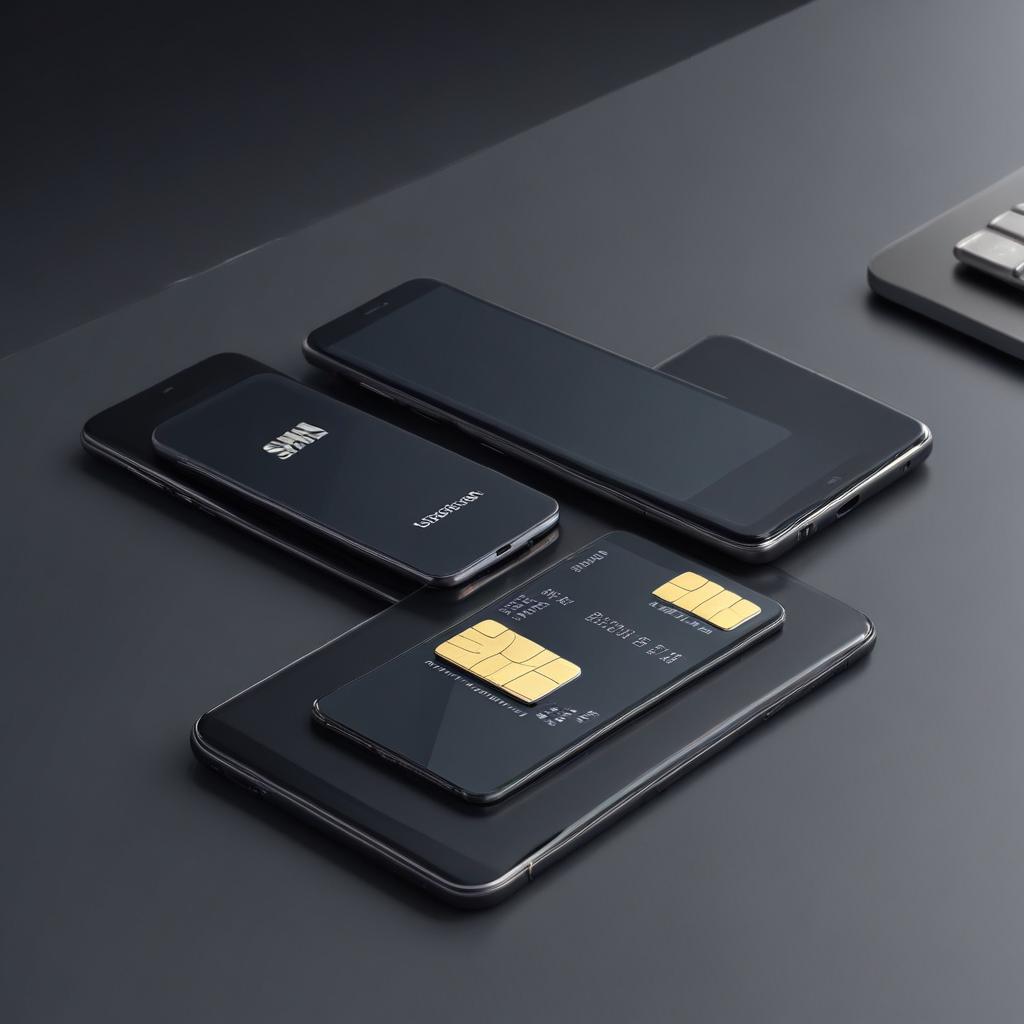
Dual SIM smartphones
15/03/2026
Introduction to Dual SIM Smartphones
Dual SIM smartphones are mobile devices equipped with the capability to hold and operate two separate SIM cards simultaneously. This innovative phone feature allows users to manage two different phone numbers or mobile plans within a single device, combining convenience and flexibility in one compact gadget. At its core, a dual SIM phone works by enabling two cellular connections at once, which means you can receive calls, send messages, and use mobile data from either SIM depending on your preference and settings.
Understanding the basics of dual SIM functionality is essential in today’s mobile technology landscape. Typically, dual SIM phones come in two varieties: Dual SIM Dual Standby (DSDS) and Dual SIM Dual Active (DSDA). DSDS means both SIMs are on standby, ready to receive calls or texts, but if one SIM is in use, the other becomes temporarily inactive. DSDA, on the other hand, allows both SIM cards to be active simultaneously, supporting calls and data on both lines without interruption. These phones are especially useful for separating personal and professional communications or for travelers who want to avoid high roaming charges by using a local SIM alongside their home SIM.
The rise in dual SIM smartphones’ popularity can be attributed to the evolving needs of modern users who demand greater control and efficiency from their devices. With the increasing role of mobile technology in everyday life, people require more adaptive and multifunctional phones. Dual SIM phones address these needs by providing a straightforward solution for managing multiple networks, optimizing call costs, and maintaining better coverage. Users benefit from the ability to switch between carriers seamlessly or keep data plans separate for different uses.
Moreover, the practicality of having two active numbers in a single device appeals not only to frequent travelers but also to professionals juggling business and personal communications. This dual functionality aligns well with the fast-paced world where staying connected reliably and cost-effectively is key. In summary, dual SIM smartphones embody the progress in phone basics and mobile technology, offering a practical and popular solution that meets the dynamic demands of today’s mobile users.
What is Dual SIM Technology?
Dual SIM technology allows a smartphone to hold and operate with two SIM cards simultaneously, enabling the user to connect to two different mobile networks at the same time. This technology provides the convenience of managing two phone numbers or carriers within a single device, making it particularly useful for separating work and personal calls or when traveling internationally.
There are primarily three types of dual SIM implementations: Dual SIM Dual Standby (DSDS), Dual SIM Single Standby (DSSS), and Dual SIM Dual Active (DSDA). DSDS is the most common, where both SIM cards can be on standby to receive calls or messages, but when one SIM is actively engaged in a call, the other becomes inactive. DSSS means only one SIM is active at a time, and the second SIM remains inactive until manually switched.
On the other hand, DSDA supports both SIM cards to be active simultaneously, allowing the user to make or receive calls on either SIM without interruption. This requires two phone slots with independent transceivers, which can increase battery consumption but offers maximum flexibility. In smartphones, dual SIM technology is integrated through physical slots for SIM cards or via an embedded SIM (eSIM) combined with a physical SIM slot, managing the connectivity through the device’s firmware and software to ensure seamless switching and network management.
Benefits of Using Dual SIM Phones
Dual SIM smartphones offer numerous advantages that make them a popular choice for many users. One of the primary dual SIM benefits is cost saving. By using two different SIM cards, users can take advantage of the best call and data plans from different carriers, optimizing expenses and reducing overall phone bills. This flexibility allows individuals to choose budget-friendly offers without being tied to a single network provider.
Another significant benefit is network flexibility. Dual SIM phones enable users to switch between networks seamlessly, ensuring better coverage and connectivity. This is especially useful for people who travel frequently or live in areas where one carrier’s signal may be weak while another provides strong service. The ability to stay connected through two networks enhances reliability and user experience.
Moreover, dual SIM phones offer enhanced convenience in managing work and personal calls. Users can keep their professional and private numbers separate but accessible from the same device. This not only simplifies communication but also reduces the need to carry two phones, streamlining daily interactions and helping maintain a healthy work-life balance.
In summary, the advantages of dual SIM phones include cost saving, greater network flexibility, and easier management of multiple phone numbers. These dual SIM benefits contribute to a more efficient, practical, and user-friendly mobile experience for many people worldwide.
Choosing the Best Dual SIM Smartphone
When it comes to selecting the best dual SIM phones, several key factors should guide your decision to ensure you get the most value and functionality from your device. This smartphone comparison guide will help you understand what to look for and which features matter most based on your specific needs.
First and foremost, consider the compatibility of the dual SIM smartphone with your network carriers. Not all dual SIM phones support the same network standards or frequencies, so it is essential to ensure the device will work seamlessly with both your primary and secondary SIM cards. Some phones support dual standby, meaning both SIMs are active but only one can handle calls or data at a time, while others offer dual active SIM capabilities, allowing you to use both numbers simultaneously. Understanding this distinction is crucial for your intended usage.
Features are another major consideration when choosing a dual SIM phone. Look for devices that offer easy SIM management, such as the ability to assign contacts or apps to specific SIM cards, quick toggling between numbers for calls and texts, and intuitive settings for data usage. Additionally, examine battery efficiency, as running two SIMs can sometimes drain power faster. Prioritize phones with robust battery life or power-saving modes that accommodate dual SIM operations without compromising performance.
Your user needs will also determine the best choice. For example, frequent travelers may need dual SIM phones that support international roaming or eSIM alongside a physical SIM card for maximum flexibility. Business users might prefer models with enhanced security features and separate profiles for work and personal use. Meanwhile, casual users might focus more on price and basic dual SIM functionality.
When reading smartphone comparisons, pay attention to reviews and test results that highlight real-world performance regarding signal stability, call clarity, and data speed on both SIM slots. It’s also wise to check for future-proof features like 5G support, expandable storage, and software updates, which can extend the life of your investment.
In summary, the best dual SIM phones combine compatibility, user-friendly features, and performance that match your lifestyle and usage patterns. By carefully evaluating these aspects, this buying guide ensures you make an informed choice that maximizes convenience, connectivity, and value.
Key Features to Look For
When selecting a dual SIM smartphone, it is essential to focus on features that will enhance your overall experience. One of the primary considerations is battery life. Since dual SIM phones manage two networks simultaneously, they can consume more power than single SIM devices. Therefore, choosing a phone with a robust battery ensures longer usage without frequent recharging, which is especially useful for heavy users or travelers.
Network support is another critical feature. Not all dual SIM phones support all network bands and frequencies, so it’s vital to verify compatibility with the carriers you intend to use. This will help you avoid connectivity issues and take full advantage of fast data speeds and reliable calls on both SIMs.
Camera quality remains a top priority for many users. Dual SIM smartphones often come packed with advanced camera technologies, so consider devices offering high-resolution sensors, optical image stabilization, and multiple lens options to capture sharp, vibrant photos regardless of lighting conditions.
Additionally, the screen size and quality should not be overlooked. A large, high-resolution display enhances media consumption and multitasking—beneficial for users who switch between personal and work-related tasks across two SIMs. Balancing screen size with device portability can provide the best daily experience.
Top Dual SIM Smartphones in the Market
When it comes to choosing from the top dual SIM phones available today, several smartphone models stand out for their performance, features, and value. Below is a list and brief review of some of the current best sellers in the dual SIM category, including key specs and price ranges.
- Samsung Galaxy S23 Ultra: Featuring a powerful Snapdragon 8 Gen 2 processor, 12GB RAM, and a stunning 6.8-inch AMOLED display. This flagship supports dual SIM with 5G connectivity and excels in camera performance. Price range: $1,200 – $1,400.
- OnePlus 11: Known for its speed and smooth OxygenOS, it sports a Snapdragon 8 Gen 2 chipset, up to 16GB RAM, and a 6.7-inch AMOLED screen. Dual SIM functionality offers hybrid SIM slots plus 5G support. Price range: $700 – $900.
- Xiaomi Redmi Note 12 Pro+: A budget-friendly option with a MediaTek Dimensity 1080 processor, 8GB RAM, and a 6.67-inch AMOLED display. It offers dual SIM with dual 5G standby, perfect for those seeking affordability with solid features. Price range: $350 – $450.
- Apple iPhone 15 Pro: Apple’s dual SIM option combines eSIM and nano-SIM support, paired with the A17 Pro chip and a 6.1-inch Super Retina XDR display. It’s ideal for users wanting premium build and ecosystem integration. Price range: $999 – $1,199.
- Google Pixel 7: Offering pure Android experience, dual SIM via eSIM plus physical SIM, powered by Google Tensor G2 chip, and a 6.3-inch OLED screen. Known for software updates and camera quality. Price range: $600 – $700.
These smartphone models represent a strong cross-section of what the market’s best sellers offer in dual SIM technology, ensuring users can pick one that fits both their budget and functional requirements.
Using and Managing Dual SIM Phones
Setting up and managing dual SIM phones effectively can enhance your phone usage, offering flexibility and convenience. To begin the setup process, insert both SIM cards into the designated slots of your dual SIM smartphone. Most modern devices will recognize the cards automatically and prompt you to configure each SIM. From the settings menu, you can assign names or labels to each SIM, which helps in easily distinguishing between them, especially when managing calls, messages, and mobile data.
One practical tip to manage dual SIM efficiently is to designate one SIM for personal use and the other for work or travel. This separation allows better organization of contacts and billing. For optimal phone usage, set a default SIM for mobile data, calls, and messages, but enable the option to choose the SIM manually when placing calls or sending texts. Many dual SIM phones allow you to set preferred SIMs for specific contacts, which simplifies communication without toggling settings repeatedly.
Keep in mind battery consumption can increase slightly when both SIMs are active, so monitoring your phone’s performance and adjusting SIM activity accordingly can be beneficial. If traveling internationally, using a local SIM alongside your home SIM can save on roaming charges and provide better network coverage. Regularly check your dual SIM settings to ensure the correct SIM is active for data usage to avoid unexpected charges.
To further optimize your experience, explore the phone’s dual SIM management features like call forwarding between SIMs or the ability to enable or disable a SIM during specific times. This level of control helps you streamline your communication needs. Lastly, keeping software updated ensures compatibility and access to the latest tips and tricks for managing dual SIM phones efficiently.
Setting Up Dual SIM Features
Setting up dual SIM cards on your smartphone allows you to manage two phone numbers simultaneously, providing flexibility for calls, messages, and data usage. Follow these steps to ensure proper activation and configuration for optimal performance.
- Insert both SIM cards into your smartphone’s SIM trays, ensuring they are properly seated. Consult your phone’s manual to determine SIM slot locations.
- Power on your device. Your phone will automatically detect both SIM cards and prompt you to configure them.
- Navigate to the phone settings and locate the “SIM Management” or “Dual SIM Settings” menu to access SIM configuration options.
- Activate both SIM cards by toggling the activation switch for each SIM. This step enables your device to recognize and use both cards.
- Assign labels to each SIM for easy identification, for example, “Work” and “Personal.” This helps in managing calls and messages efficiently.
- Configure your preferred SIM for voice calls, text messages, and mobile data separately. You can select which SIM to use as the default for each service.
- Adjust additional settings such as roaming preferences and network operators to optimize connectivity for each SIM card.
- Test your setup by making a call or sending a message from each SIM to ensure they are working correctly.
- Regularly check the SIM management settings to modify preferences or troubleshoot any connectivity issues.
By carefully following these setup dual SIM steps and managing your phone settings, you can enjoy seamless multitasking between two numbers and optimize your smartphone’s dual SIM capabilities.
Common Issues and Troubleshooting
Dual SIM smartphones offer great flexibility, but users often encounter issues related to SIM card problems and connectivity. One common problem is the phone not recognizing one of the SIM cards. This can be caused by improper SIM insertion, a damaged SIM card, or compatibility issues with the device. To troubleshoot, remove and reinsert the SIM cards carefully, ensure they are clean and undamaged, and check that the phone supports the specific SIM card types. Restarting the device after SIM card insertion can also help refresh the system and resolve recognition issues.
Another frequent issue is connectivity problems, such as inability to connect to mobile data or make calls from one SIM while the other works fine. This can stem from network settings misconfiguration or conflicts between the two SIMs. Users should verify that the correct SIM is set as the default for calls, messages, and data in their phone settings. Additionally, toggling airplane mode on and off or resetting network settings can often resolve these issues.
Battery drain is also a concern with dual SIM phones since maintaining two network connections increases power consumption. Optimizing settings by disabling data or switching one SIM to 2G mode when not in use can help extend battery life. If persistent problems occur, a software update or factory reset might be necessary to fix underlying bugs affecting connectivity and SIM management.

I’m a tech enthusiast who loves exploring how eSIMs simplify staying connected while traveling. I spend my free time testing new smartphones and sharing tips on getting the most out of mobile data abroad.