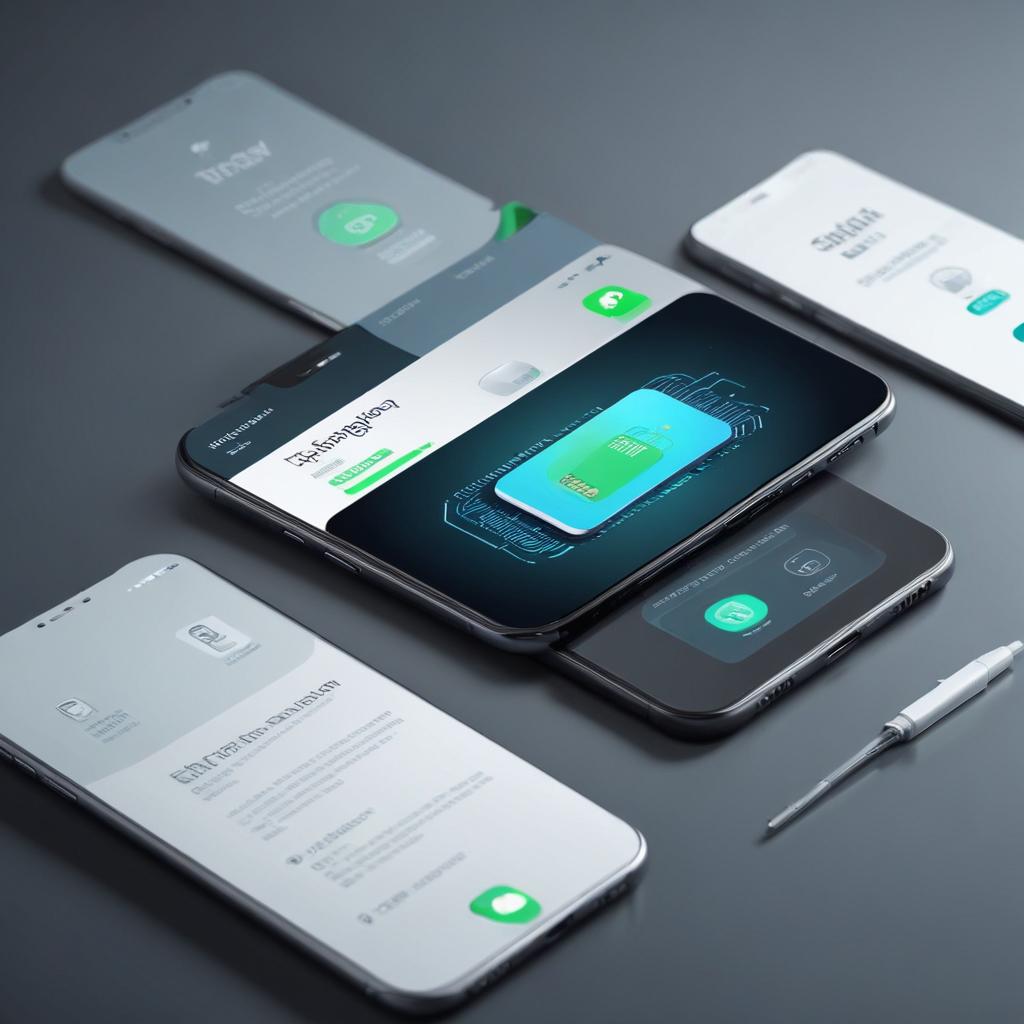
eSIM and mobile networks
18/03/2026
Understanding eSIM Technology
eSIM technology, also known as embedded SIM or digital SIM, represents a significant advancement in the way mobile devices connect to cellular networks. Unlike traditional SIM cards, which are physical chips that must be inserted into a device, an eSIM is a built-in chip embedded directly into the device’s hardware. This embedded nature eliminates the need for physical swapping, allowing users to switch carriers or plans digitally without changing the physical card.
The key difference between eSIM technology and traditional SIM cards lies in the management and activation process. While traditional SIM cards require manual insertion and activation, eSIMs can be activated remotely through software, which greatly simplifies the process of connecting to mobile networks. This digital SIM approach provides enhanced flexibility, enabling consumers to switch network providers or add multiple lines directly from their device settings without visiting a store or waiting for a new SIM card to arrive.
In terms of mobile connectivity, the role of eSIM technology is transformative. By allowing seamless provisioning and management of mobile subscriptions, eSIM facilitates better connectivity in densely populated urban areas as well as remote locations. It supports the growing demand for connected devices in the Internet of Things (IoT) ecosystem, where numerous devices require reliable mobile connectivity without the constraints of physical SIM cards. This opens up new opportunities for users and service providers alike, enhancing the overall mobile experience.
Furthermore, eSIM technology improves device design and durability by freeing up space that would otherwise be reserved for a SIM card slot. This space can be used for larger batteries, additional features, or more compact device form factors. As mobile connectivity standards continue to evolve, eSIM technology is becoming a crucial component in enabling faster, easier, and more efficient communication across a variety of devices.
How eSIM Works
The eSIM functionality revolutionizes the traditional SIM card by embedding a programmable SIM chip directly into the device hardware. Unlike physical SIM cards, the eSIM stores the SIM profile digitally within the device’s internal memory. This digital profile contains all necessary data to authenticate the user on the mobile network. The activation process for an eSIM eliminates the need to insert a physical card; instead, it uses remote provisioning technology to download and install the SIM profile over the air. This means carriers can securely send the required information directly to the eSIM, enabling instant activation.
Remote provisioning is the core technology behind eSIM functionality. It allows mobile network operators to manage multiple SIM profiles on a single device without any manual intervention. When a user chooses a carrier or a plan, the relevant SIM profile is fetched remotely from the operator’s server and securely installed on the eSIM chip. The remote provisioning protocol ensures this process is encrypted and authenticated for security. Additionally, users can switch between profiles or carriers seamlessly without needing new physical SIMs, making the eSIM highly flexible for travel and multi-network usage.
This modern SIM management approach streamlines connectivity, offering enhanced convenience for users and operators alike. By storing multiple profiles and supporting quick profile switching via remote provisioning, the eSIM simplifies mobile network access and future proofs devices for evolving telecom standards.
Advantages of eSIM over Physical SIM
The benefits of eSIM technology over traditional physical SIM cards are numerous, making it a revolutionary step in mobile network connectivity. One of the primary advantages of eSIM is the convenience it offers. Unlike physical SIM cards, which require manual swapping to change carriers, an eSIM allows users to switch between mobile networks effortlessly through software settings. This flexibility eliminates the need for physical card replacements and reduces downtime when changing service providers.
Another significant benefit of eSIM is space saving. Since eSIM is embedded within the device’s hardware, it does not take up physical space like a traditional SIM card slot. This space efficiency enables manufacturers to design slimmer, more compact devices or utilize the saved area for additional components such as larger batteries or enhanced sensors, improving overall device functionality.
Security is also enhanced with eSIM technology. Physical SIM cards can be easily stolen, lost, or tampered with, potentially compromising user data. In contrast, eSIMs are securely integrated into the device, making it much harder for unauthorized users to remove or replace them. Additionally, eSIMs support remote provisioning and management, allowing carriers to update security features and services without the need for physical card swaps.
In summary, when comparing physical SIM vs eSIM, the latter stands out by offering unmatched convenience, flexibility, and improved security features, making it an excellent choice for modern mobile users looking to enhance their connectivity experience.
Impact of eSIM on Mobile Networks
The advent of eSIM technology is significantly influencing the landscape of mobile networks worldwide. As mobile network operators adapt to this innovation, the implications for network compatibility, carrier support, and overall eSIM adoption trends turn increasingly pivotal to both consumers and industry stakeholders.
One of the primary impacts of eSIM on mobile networks is the shift in network compatibility requirements. Unlike traditional SIM cards, eSIMs are embedded within devices and can be reprogrammed over the air. This shift demands that mobile networks ensure their infrastructure supports remote provisioning and activation protocols, pushing carriers to upgrade their backend systems and embrace more flexible, software-driven network management.
Carrier support plays a crucial role in accelerating eSIM adoption. In recent years, many major mobile network operators have started to offer eSIM services, recognizing the benefits such as simplified device activation for customers and easier network switching without the need for physical SIM exchanges. Enhanced carrier support also means improved customer experience and lowered operational costs, fostering further positive reception of eSIM technology.
Despite these advances, challenges related to network compatibility persist. Some legacy mobile networks and smaller carriers face difficulties in integrating eSIM technology due to the costs and technical expertise required to upgrade their systems. Ensuring universal compatibility across diverse global networks is essential to maximizing eSIM adoption, but remains a gradual process.
Moreover, the eSIM adoption trend reflects a broader move towards digital mobile connectivity that aligns with consumer demand for greater flexibility and convenience. As more network carriers expand their eSIM offerings and invest in compatible infrastructure, the mobile network ecosystem as a whole benefits from increased interoperability and innovation.
In summary, eSIM technology is transforming how mobile networks operate, requiring enhanced network compatibility and robust carrier support. While challenges remain, continued investment in infrastructure and the growing eSIM adoption trend underline a future where mobile connectivity is more seamless and accessible than ever before.
Carrier Support and eSIM Adoption
The global landscape of carrier support for eSIM technology is rapidly evolving as network providers recognize the benefits of this digital SIM solution. Many carriers worldwide are actively expanding their eSIM rollout initiatives to accommodate the increasing demand from consumers and device manufacturers. This shift reflects a broader commitment to enhancing connectivity and offering greater flexibility for their users.
Network providers are adapting their services by integrating eSIM capabilities into existing infrastructures, allowing seamless activation and management of mobile plans without the need for physical SIM cards. This adaptation not only simplifies the user experience but also facilitates faster onboarding of new customers and supports multiple profiles on a single device.
Despite some regional disparities due to regulatory environments and market readiness, the pace of eSIM adoption is accelerating globally. Key markets in North America, Europe, and parts of Asia lead the charge, driven by collaborative efforts between carriers and device makers. Meanwhile, providers in emerging markets are gradually adopting eSIM technology as infrastructure develops and consumer awareness grows.
Overall, carrier support is a critical factor in the success of eSIM technology. As more network providers commit to eSIM rollout, the global adoption rate will continue to climb, reshaping how users connect to mobile networks and unlocking new opportunities for digital mobility and service innovation.
Challenges for Mobile Networks with eSIM
The adoption of eSIM technology presents several network challenges for mobile operators. One of the primary concerns is security. Unlike traditional SIM cards, eSIMs require robust digital security measures to prevent unauthorized access and potential hacking. Ensuring the integrity and privacy of user data becomes more complex, demanding advanced encryption and secure authentication protocols to safeguard against cyber threats.
Compatibility issues also pose a significant challenge. Mobile networks must support a wide range of devices with different eSIM implementations and operating systems. This diversity requires constant updates and testing to maintain seamless connectivity and service quality, which can be both time-consuming and costly for mobile operators.
Furthermore, eSIM limitations can impact the user experience and network efficiency. For example, provisioning and activating an eSIM remotely demands reliable backend infrastructure and synchronization, which some networks might not yet fully support. These limitations often require network upgrades and changes in existing systems to handle eSIM-specific processes seamlessly.
Infrastructure changes are inevitable as mobile networks evolve to accommodate eSIM technology. Operators must invest in modernizing their network architecture, including customer management systems and device provisioning platforms. These changes are essential to manage the dynamic nature of eSIM profiles, ensuring flexibility while maintaining service continuity for users.
Future Trends and Developments in eSIM and Mobile Networks
The future of eSIM technology is poised to revolutionize the mobile network landscape, driving significant advancements in both consumer and industrial applications. As mobile networks continue their evolution, eSIMs will play a central role in facilitating more seamless and efficient connectivity, especially within the expanding universe of IoT devices. The ongoing advancements in eSIM technology promise enhanced flexibility, security, and user convenience, reshaping how devices connect and communicate on networks globally.
One of the most prominent technology trends in this domain is the widespread adoption of remote SIM provisioning. This capability allows mobile network operators to activate and manage eSIM subscriptions over the air, eliminating the need for physical SIM swaps and enabling instant connectivity. This innovation simplifies managing multiple mobile profiles, particularly valuable for devices operating across different regions or networks, and propels the mobile network evolution toward more dynamic, user-friendly interactions.
Moreover, eSIMs are critical to achieving greater efficiency in IoT connectivity. As billions of IoT devices come online—from smart home products to industrial sensors—they require reliable, scalable, and secure mobile connections. eSIMs provide the capability to dynamically switch between networks and operators, optimizing connectivity based on location, cost, or available service. This flexibility is essential for maintaining continuous data flow, improving the performance and reliability of IoT ecosystems.
In addition to enhancing device management, future developments in eSIM technology will heavily focus on security enhancements. With IoT devices often deployed in sensitive environments, securing data transmissions and preventing unauthorized access is paramount. Advanced encryption methods and improved authentication protocols built into eSIM frameworks will address these concerns, making mobile network connections safer than ever before.
Looking ahead, the integration of eSIMs with emerging 5G and beyond 5G technologies will further accelerate mobile network evolution. The low latency, high bandwidth, and extensive device connectivity capabilities of 5G networks synergize with the flexible provisioning of eSIMs, enabling innovative use cases such as autonomous vehicles, smart cities, and advanced industrial automation. Together, these technology trends will drive a new era of connected experiences, where devices intelligently manage their network access to optimize performance and cost.
In conclusion, the future of eSIM extends beyond just a replacement for physical SIM cards—it represents a foundational technology enabling the next generation of mobile networks and IoT connectivity. As innovations continue to unfold, eSIMs will empower a more connected, agile, and secure mobile ecosystem, fundamentally transforming how devices and networks interact in the years to come.
eSIM and Internet of Things (IoT)
The integration of eSIM technology in the Internet of Things (IoT) is revolutionizing connectivity for smart devices. eSIM for IoT offers a flexible and efficient solution for managing IoT connectivity, allowing devices to switch networks seamlessly without the need for physical SIM card replacements. This advancement enables better network integration, essential for the diverse and dynamic environments where IoT devices operate.
IoT connectivity is crucial for the proliferation of smart devices, ranging from industrial sensors to consumer gadgets. With eSIM, manufacturers can embed connectivity directly into the device hardware, simplifying production and enhancing lifecycle management. This embedded connectivity also supports remote provisioning and updates, reducing downtime and operational costs for IoT deployments.
Furthermore, eSIM technology enhances the scalability of IoT networks, facilitating easy onboarding of new devices and ensuring consistent connectivity across different regions and network providers. As smart environments become more complex, the ability to manage multiple IoT connections efficiently through eSIM becomes a vital advantage, driving innovation and smarter management of devices worldwide.
Advancements in Mobile Network Technologies Supporting eSIM
The rapid advancement of mobile technology, particularly the rollout of 5G networks, has significantly enhanced eSIM compatibility and performance. 5G technology offers faster data speeds, lower latency, and increased network capacity, all of which are essential for optimizing the use of eSIMs. These improvements allow users to experience seamless connectivity and better mobile service without the limitations of traditional SIM cards.
In parallel, ongoing upgrades to network infrastructure are playing a critical role in supporting eSIM functionality. Modern network architecture is designed to handle the dynamic provisioning and management of eSIM profiles, ensuring that carriers can deliver reliable service and swift activation processes. Enhanced infrastructure also supports broader device compatibility, allowing eSIM technology to be integrated into a wide range of mobile devices, from smartphones to IoT gadgets.
Together, 5G and network infrastructure upgrades create a robust environment where eSIMs can thrive. This synergy not only improves the user experience but also empowers mobile operators to innovate and offer more flexible plans and services tailored to the digital age. As these technologies continue to evolve, the performance and accessibility of eSIMs will only improve, solidifying their place in the future of mobile connectivity.

I’m a tech enthusiast who loves exploring how eSIMs simplify staying connected while traveling. I spend my free time testing new smartphones and sharing tips on getting the most out of mobile data abroad.