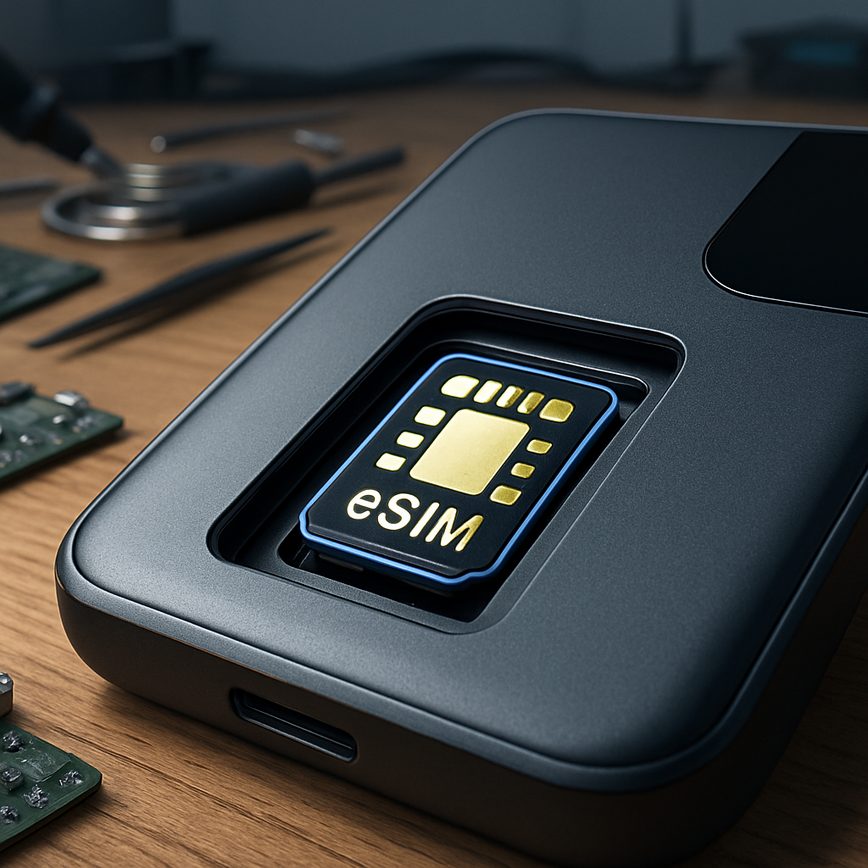
eSIM for data-only devices
01/06/2026
Understanding eSIM Technology for Data-Only Devices
eSIM technology, or embedded SIM, represents a significant advancement in mobile connectivity, especially for data-only devices such as tablets, IoT gadgets, and mobile hotspots. Unlike traditional SIM cards, which are physical chips inserted into devices to provide cellular connectivity, an eSIM is a small chip embedded directly into the device’s circuitry. This embedded SIM enables remote provisioning and management of mobile network subscriptions without the need to swap SIM cards physically.
The primary advantage of eSIM technology for data-only devices lies in its flexibility and convenience. With an embedded SIM, users can easily switch between network operators or plans without visiting a store or waiting for a physical SIM card to be delivered. For tablets and mobile hotspots that rely heavily on cellular data, this means seamless connectivity anywhere, anytime. Additionally, IoT devices benefit greatly from eSIMs, as these gadgets often require reliable and continuous connectivity without manual intervention.
In comparison to traditional SIM cards, eSIM technology reduces the device’s physical space requirements since there is no need for a SIM card tray or slot. This can translate to more compact designs for data-only devices or additional room for other components, such as bigger batteries. Moreover, embedded SIMs are more durable and less prone to damage or loss, which is especially beneficial for rugged IoT devices operating in challenging environments.
The IoT connectivity facilitated by eSIM technology is essential for a wide range of applications—from smart home devices and wearables to industrial sensors and connected vehicles. Data-only devices equipped with embedded SIMs can automatically connect to the best available network, manage multiple carrier profiles, and maintain secure connections. This capability supports a new era of device interconnectivity, enabling smarter workflows and enhanced user experiences without the logistical challenges of managing physical SIM cards.
Overall, the transition from traditional SIM cards to eSIM technology marks a crucial evolution for data-only devices. It enhances operational efficiency, supports dynamic connectivity options, and aligns perfectly with the growing demands of modern IoT ecosystems and mobile communications.
What is an eSIM?
An eSIM, or embedded SIM, is a modern alternative to the traditional physical SIM card used in mobile devices. Unlike conventional SIM cards, which are small, removable chips inserted into a device, an eSIM is embedded directly into the device’s hardware. This embedded SIM eliminates the need for a physical card slot and allows users to activate cellular service digitally without having to swap out cards.
The eSIM definition highlights its built-in nature, which means it is soldered onto the device’s motherboard during manufacturing. This makes it more durable and resistant to damage or loss compared to traditional SIM cards. Because eSIMs can store multiple mobile profiles, they offer greater flexibility for users who want to switch carriers or plans without physically changing SIM cards.
One of the key advantages of eSIMs is their convenience. They simplify the process of connecting devices to cellular networks by allowing over-the-air provisioning and remote SIM management. This makes eSIM technology ideal for data-only devices such as tablets, smartwatches, and IoT gadgets, where size and seamless connectivity are crucial. Overall, eSIMs represent a significant step forward in SIM card alternatives, providing enhanced usability, space savings, and future-proofing for mobile connectivity.
Benefits of Using eSIM for Data-Only Devices
The advantages of eSIM technology for data-only devices are significant, offering enhanced flexibility and functionality that traditional SIM cards simply cannot match. One of the foremost benefits is the ease of switching carriers. With an eSIM, users can effortlessly change their network provider without the need for a physical SIM swap, making it highly convenient for those who travel frequently or need to adjust connectivity plans.
Another key benefit lies in remote provisioning. This means that the eSIM can be activated, managed, and updated over the air without requiring any physical intervention. For data-only devices, this translates into less downtime and quicker access to cellular networks, ensuring seamless data connectivity at all times.
The space-saving design of eSIMs further enhances device flexibility. Traditional SIM card slots take up precious physical space inside devices; removing this requirement allows manufacturers to create slimmer, more compact gadgets or allocate space to other components such as larger batteries or enhanced antennas, which boost performance and user experience.
Improved connectivity options are another vital advantage of eSIM technology. Data-only devices equipped with eSIMs can support multiple carriers and network types, adapting dynamically to the strongest available connection. This not only ensures better coverage but also helps maintain consistent speeds and reliability, essential for uninterrupted data services.
In summary, the advantages of eSIM adoption for data-only devices include simplified carrier switching, efficient remote provisioning, a compact form factor, and superior connectivity options. These features collectively enhance user convenience and device performance, making eSIM an excellent choice for modern data-centric devices.
How to Set Up and Use eSIM on Data-Only Devices
- Check Device Compatibility: Verify that your data-only device supports eSIM technology. Common devices include tablets, mobile hotspots, and certain laptops. Check the manufacturer’s specifications or user manual to ensure eSIM setup is possible.
- Confirm Carrier Support: Ensure your mobile carrier supports eSIM activation for data-only devices. Carrier profiles are essential for the eSIM to function, so contact your provider or visit their website to confirm availability and specific activation requirements.
- Obtain eSIM Activation Information: Once your carrier confirms support, request the activation details. This typically includes a QR code or an activation code which you will use to download the carrier profile onto your data-only device during the activation process.
- Access the eSIM Settings on Your Device: Navigate to the settings menu on your device. Look for options like “Cellular,” “Mobile Data,” or “Network & Internet.” Find the section dedicated to eSIM or SIM management. This is where you will initiate the eSIM setup process.
- Scan or Enter the Carrier Profile: Use your device’s camera to scan the QR code provided by your carrier or manually enter the activation code. The device will then download and install the carrier profile necessary for connecting to the mobile network.
- Complete the Activation Process: Follow any on-screen prompts to finalize activation. This may include naming the new plan or setting it as the primary data source. Some carriers require activation confirmation via their app or website after profile installation.
- Configure Data-Only Device Settings: Adjust your device’s data usage preferences, such as enabling data roaming if you plan to travel. Confirm that mobile data is active and set as the default network connection. This ensures seamless internet access using your eSIM.
- Test the Connection: Once the profile is installed and set up, test the internet connection by browsing the web or streaming content. If you encounter issues, revisit the carrier’s instructions or contact customer support for troubleshooting assistance.
- Manage and Switch Profiles: If your device supports multiple eSIM profiles, you can switch between them through the eSIM or cellular settings panel. This flexibility is ideal for travelers or users who manage multiple data plans.
- Keep Carrier Profiles Updated: Carriers may update their profiles occasionally. To avoid service interruptions, periodically check for updates in your device’s eSIM settings and install them when available.
Compatible Devices and Operating Systems
- Tablets: Modern eSIM compatible devices include popular tablets such as the Apple iPad Pro and iPad Air, which support eSIM activation alongside physical SIMs. Many Android tablets, including Samsung Galaxy Tab series, also offer OS support for eSIM, enabling seamless connectivity without a physical SIM card.
- Mobile Hotspots: Data-only device models like the Huawei E5785 and GlocalMe G4 Pro provide eSIM functionality. These mobile hotspots support various operating systems on the host device and allow users to connect multiple devices on the go without physical SIM swapping.
- IoT Devices: Internet of Things devices increasingly incorporate eSIM technology for enhanced connectivity. Examples include smartwatches like the Apple Watch Series with cellular capabilities and fitness trackers supporting eSIM profiles. Additionally, industrial IoT modules often embed eSIMs to offer robust OS support for remote management and data transmission.
- Other Devices: Laptops such as the Microsoft Surface Pro and Lenovo ThinkPad X1 include eSIM support within their OS, allowing data-only device models to leverage eSIM for mobile broadband. This ensures always-on connectivity for business and personal use.
Activation and Carrier Profile Installation
Activating an eSIM for data-only devices typically involves a few streamlined methods to ensure a smooth and efficient setup. One of the most common activation approaches is scanning a QR code provided by the carrier. This QR code contains all the necessary data, including the carrier profile, which the device downloads and installs automatically. This method is user-friendly and widely supported by most carriers offering data-only plans.
Another activation method involves entering an activation code manually. Carriers may provide this code via email or in the user account portal. Inputting this code initiates the eSIM provisioning process, allowing the device to download the carrier profile and configure the network settings without the need for a physical SIM card.
For carriers supporting remote provisioning, the activation process is even more seamless. Remote provisioning allows the carrier to push carrier profiles directly to the device over the air without any user intervention. This is particularly useful for data-only devices as it simplifies activation, reduces setup time, and can even allow for profile switching or updating profiles without needing another QR code or manual input.
Overall, whether through QR code setup, activation codes, or remote provisioning, the eSIM activation and carrier profile installation process is designed to facilitate quick connectivity for data-only devices. Understanding these methods helps users leverage eSIM technology effectively for their mobile data needs.
Challenges and Future Trends for eSIM in Data-Only Devices
The adoption of eSIM technology in data-only devices offers significant potential, but it is not without its challenges. One of the primary eSIM challenges lies in the complexity of implementation across diverse device ecosystems. Unlike traditional SIM cards, eSIMs require robust software integration and interoperability with multiple carriers worldwide, which can lead to compatibility issues and slow adoption in some markets.
Data-only connectivity powered by eSIMs also faces hurdles related to security and privacy concerns. Ensuring that eSIM profiles are securely provisioned and managed remotely is critical to prevent unauthorized access and fraud. Additionally, regulatory compliance across various regions adds another layer of complexity, impacting the smooth rollout of eSIM services in data-only devices.
Despite these challenges, future trends indicate strong market growth and innovation in eSIM technology. Advances in remote SIM provisioning protocols and greater carrier collaboration are expected to enhance user experience and expand the range of supported devices. The rise of IoT applications and connected smart devices is predicted to accelerate demand for flexible, data-only connectivity solutions that eSIMs uniquely provide.
Looking ahead, the market evolution will likely see improvements in standardization efforts and simplified activation processes, making eSIM deployment more accessible and efficient. Integration with advanced network technologies such as 5G will further boost performance and enable seamless connectivity for data-only devices. These future trends position eSIM technology as a key enabler of digital transformation across industries.
In summary, while eSIM challenges remain in implementation and security, the future of eSIM in data-only devices is promising. Continued innovation and collaboration among stakeholders will drive market growth, unlocking new possibilities for flexible, secure, and efficient data connectivity worldwide.
Common Issues and Limitations
When using eSIM technology for data-only devices, users often encounter several common issues and limitations. One significant challenge is device restrictions; not all data-only devices are compatible with eSIMs, which can limit the ability to switch carriers or activate new plans easily. This device compatibility hurdle means users must ensure their hardware supports eSIM functionality before relying on it for their connectivity needs.
Activation problems are another frequent limitation, as the process to activate an eSIM on data-only devices can be complex and vary widely between carriers. Some users experience delays, errors, or difficulties scanning QR codes and linking profiles, which can be frustrating and time-consuming. These activation complexities often require precise instruction adherence and sometimes manual carrier intervention to resolve.
Limited carrier support further complicates the landscape. While many carriers are expanding their eSIM offerings, a considerable number still do not support eSIMs on data-only devices or have restrictions on the available plans for such devices. This lack of broad carrier support restricts user choices, potentially leading to higher costs or suboptimal service options.
Overall, while eSIM technology brings promising flexibility, users must navigate several eSIM limitations related to device compatibility, activation problems, and carrier support issues. Understanding these challenges ahead of time helps to set realistic expectations and better prepare for a smoother eSIM experience on data-only devices.
Emerging Trends and Industry Developments
The future of eSIM for data-only devices is being shaped by several key trends that promise to revolutionize connectivity. One significant development is broader carrier adoption, as more network providers recognize the advantages of eSIM technology. This expansion increases compatibility and accessibility for users, making data-only devices more versatile and user-friendly across different regions and networks.
Another critical innovation driving this evolution is the integration of eSIM with the Internet of Things (IoT). As IoT devices proliferate in homes, industries, and cities, eSIM offers a streamlined solution for seamless connectivity without the need for physical SIM swaps. This capability facilitates easier device management and on-demand provisioning, crucial for the scalability of smart technologies and the IoT ecosystem.
Advancements in remote provisioning are also pivotal, enabling users and enterprises to activate and manage their data plans digitally without visiting retail stores or handling physical SIM cards. This enhances the user experience by providing convenience, flexibility, and instant connectivity, which is especially beneficial for data-only devices like tablets, wearables, and mobile hotspots.
Collectively, these trends contribute to a more dynamic and efficient future for eSIM technology. As carriers continue to adopt this standard and IoT integration deepens, the innovation surrounding data-only devices will accelerate, enhancing mobility, reducing costs, and expanding the possibilities of connected digital experiences globally.

I’m a tech enthusiast who loves exploring how eSIMs simplify staying connected while traveling. I spend my free time testing new smartphones and sharing tips on getting the most out of mobile data abroad.