eSIM for frequent travelers
25/05/2026
Understanding eSIM Technology
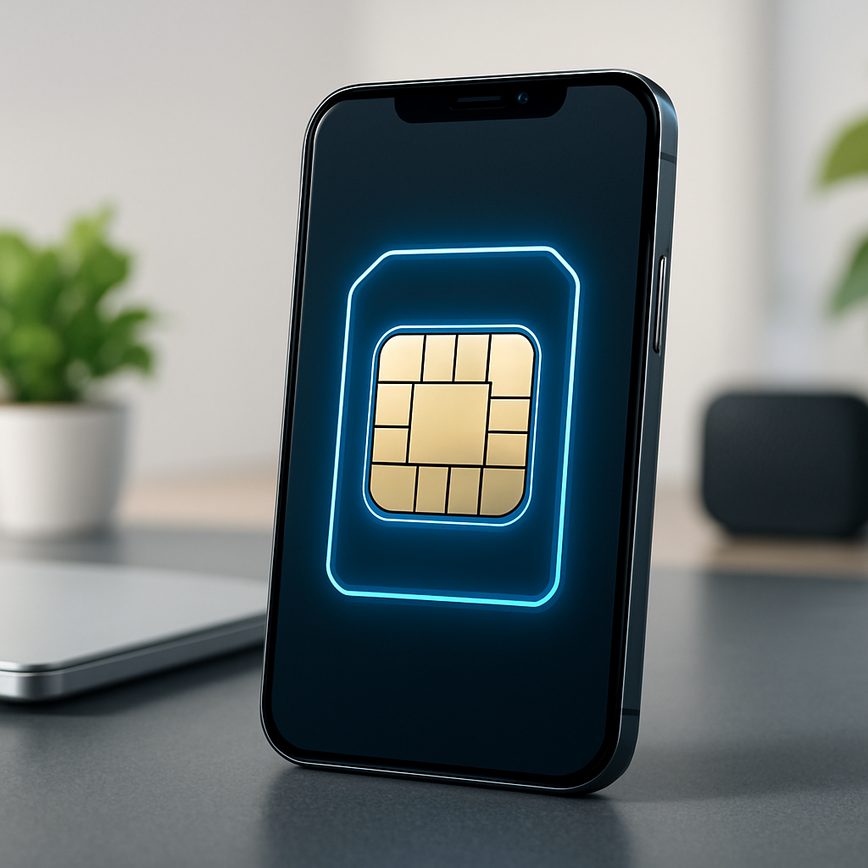
eSIM technology, also known as embedded SIM or digital SIM, represents a significant evolution from the traditional physical SIM cards used in mobile devices. Unlike traditional SIM cards, which are removable plastic chips that store your subscriber information and must be physically inserted into a device, an eSIM is a small chip embedded directly inside your phone or device. This embedded SIM is rewritable, allowing users to switch carriers or plans without the need to swap out a physical card. This flexibility makes eSIM technology especially appealing for frequent travelers who need to manage multiple network subscriptions seamlessly.
The core difference between a traditional SIM card and an eSIM lies in how the subscriber information is stored and accessed. Traditional SIM cards come in standard sizes—such as mini, micro, or nano—and must be physically handled when changing carriers. In contrast, eSIM technology integrates the SIM functionality programmatically within the device’s hardware. This digital SIM capability enables remote provisioning, meaning carriers can digitally send subscription information to a device’s eSIM, activating service with a simple download or QR code scan rather than a physical card swap.
From a technological perspective, embedded SIMs incorporate a secure element within the device that stores the user’s network profile and cryptographic keys necessary for authentication. This secure element acts like the traditional SIM’s security module but is designed to be reprogrammable and permanently fixed in the device’s circuitry. As a result, eSIM basics involve not only the physical chip embedded in the hardware but also protocols for remote management and profile switching supported by mobile network operators and device manufacturers.
Modern devices equipped with eSIM technology—such as smartphones, tablets, and smartwatches—leverage this embedded SIM to offer users multiple benefits. Beyond simplifying the process of changing carriers or managing data plans, eSIMs improve device design by eliminating the need for SIM trays, increasing resistance to water and dust ingress. This innovation also opens doors for consumers to maintain multiple profiles on the same device, switching between personal and work numbers or between different regional carriers with ease. Overall, understanding eSIM technology reveals how embedded SIMs are transforming mobile connectivity by making it more flexible, secure, and user-friendly.
How eSIM Works
The eSIM functionality revolutionizes mobile connectivity by eliminating the need for physical SIM swapping. Instead of inserting a traditional SIM card, the eSIM is embedded directly into the device, allowing for SIM activation through software. This is achieved via remote SIM provisioning, a process where the cellular profile can be downloaded and activated over the air.
When you want to activate a new mobile plan, your device communicates with the carrier’s server to securely download the SIM profile. This means you can switch carriers or plans without changing any physical components, making the process faster and more convenient. Because the eSIM is programmable, users can manage multiple profiles and switch between them easily, ideal for frequent travelers.
The remote SIM provisioning capability also brings significant benefits to remote management. Network operators can update, enable, and disable services in real-time without requiring a face-to-face interaction or physical access to the device. This flexibility enhances user experience by providing seamless connectivity worldwide and reduces the logistical challenges associated with traditional SIM cards.
In summary, eSIM functionality offers a smart, flexible solution by combining remote provisioning and activation, providing travelers with an efficient and hassle-free way to stay connected globally.
Advantages Over Traditional SIM Cards
eSIM technology offers numerous eSIM benefits that make it an attractive choice compared to traditional SIM cards, especially for frequent travelers. One of the most notable advantages is the unparalleled convenience it provides. Unlike physical SIM cards, which require manual insertion and swapping, eSIMs are embedded directly into the device. This means travelers can activate and switch carriers digitally without the need to handle tiny cards, reducing the hassle and risk of losing them.
Another significant benefit is the space-saving design that eSIMs bring to modern devices. By eliminating the physical SIM slot, manufacturers can use the freed-up space to introduce larger batteries, more advanced hardware, or slimmer form factors. This compact design advantage contributes to better device performance and aesthetics, enhancing the overall user experience.
For travelers who frequently shift between countries or carriers, the ease of switching provided by eSIM technology is invaluable. With a traditional SIM comparison, changing providers often means purchasing local SIM cards, dealing with compatibility issues, or incurring high roaming charges. eSIMs enable flexible connectivity, allowing users to download multiple carrier profiles and switch seamlessly between them through software settings. This flexibility not only saves time but also reduces costs and keeps travelers connected effortlessly wherever they go.
In summary, the advantages of eSIM over traditional SIM cards include enhanced convenience, space optimization in devices, and streamlined carrier switching—all critical factors that make eSIMs a superior choice for frequent travelers seeking flexible and reliable mobile connectivity.
Benefits of Using eSIM for Frequent Travelers
For frequent travelers, staying connected without the hassle of physical SIM cards is a game-changer, and this is where eSIM traveler benefits truly stand out. Unlike traditional SIM cards, eSIMs offer unparalleled flexibility when it comes to choosing and switching between carriers. This flexibility means travelers can easily select local carriers at their destinations, allowing them to avoid exorbitant roaming fees and maintaining optimal network coverage throughout their journey.
One of the primary advantages of eSIM technology is the significant cost savings it provides through cost-effective international roaming options. Instead of relying on expensive international roaming plans from a home carrier, travelers can activate local data plans or global roaming packages directly on their device via the eSIM. This ability to switch plans without changing physical SIMs eliminates the need for multiple SIM cards, reducing both cost and inconvenience during travel.
Travel connectivity is crucial for both personal and professional reasons. eSIM technology enhances seamless connectivity by enabling multi-profile management on a single device. This means users can store multiple carrier profiles, activating the one most suitable for their current location instantly. Whether you are hopping between countries or continents, eSIM ensures continuous, reliable mobile data access without interruption.
Additionally, eSIMs simplify the overall travel experience by eliminating the physical limitations of traditional SIM cards. No longer do travelers need to carry, swap, or lose SIM cards when moving across borders. Instead, they benefit from instant carrier switching and real-time activation of new plans, all managed digitally. This seamless approach to connectivity makes eSIM technology the ideal choice for anyone who frequently crosses international boundaries.
In conclusion, eSIM traveler benefits such as flexible carrier options, cost-effective roaming, and seamless travel connectivity combine to create a highly efficient solution for frequent travelers. By embracing eSIM technology, travelers unlock a smarter way to stay connected globally while enjoying significant savings and convenience throughout their adventures.
Easy International Roaming
For frequent travelers, managing mobile connectivity abroad can be a hassle, often involving physical SIM swaps or incurring expensive roaming charges. eSIM technology revolutionizes this experience by allowing travelers to activate local data plans instantly without needing to switch out physical SIM cards. With eSIM roaming plans, users can seamlessly select from various international providers and activate a local or regional data package directly on their device.
This capability not only eliminates the inconvenience of handling multiple SIM cards but also helps avoid the high costs associated with traditional international roaming. Travelers enjoy global coverage with a single device, easily switching between plans to suit their destination. Whether visiting a single country or multiple locations, eSIM roaming plans ensure continuous, reliable connectivity without any physical changes to the phone.
The flexibility provided by eSIM means you can stay connected for work, navigation, communication, and entertainment wherever you go. This streamlined approach saves time and effort, empowering frequent travelers to focus on their journey rather than worrying about mobile data access or fees. Thanks to eSIM technology, international roaming becomes simple, cost-effective, and convenient.
Cost Efficiency and Convenience
Travelers who use eSIM plans can enjoy significant travel cost savings by selecting affordable local or regional carriers tailored to their destination. Instead of relying on expensive international roaming options from their home providers, eSIM technology allows users to switch seamlessly to cost-effective plans that suit their specific travel needs. This flexibility not only helps manage expenses but also offers greater control over mobile data usage.
One of the major benefits of eSIM convenience is the ability to access pay-as-you-go plans that eliminate the need for long-term commitments or unnecessary charges. Travelers can top up their plans according to actual usage, avoiding the trap of overpaying for data they may not use. Additionally, the transparency of pay-as-you-go options helps prevent hidden fees commonly associated with traditional SIM cards and roaming packages.
By taking advantage of local eSIM providers, frequent travelers can optimize both cost and connectivity without the hassle of physically swapping SIM cards. This convenience translates into a smoother, more affordable travel experience, where managing phone plans becomes simple and efficient. Overall, eSIM technology empowers travelers to make smarter, budget-friendly decisions, reducing communication costs while staying connected wherever they go.
How to Set Up and Use eSIM While Traveling
Setting up and using an eSIM while traveling can provide you with seamless connectivity without the hassle of swapping physical SIM cards. The process varies slightly depending on your device, but this guide will walk you through the essential eSIM setup steps for different devices, focusing on travel eSIM usage.
First, ensure your device supports eSIM functionality. Most modern smartphones such as the latest iPhones, Google Pixel models, and Samsung Galaxy devices come with built-in eSIM support. Before departure, contact your travel eSIM provider or mobile carrier to acquire an eSIM profile or QR code. This profile contains all the settings needed to activate eSIM service on your device.
For iPhone users, activating your travel eSIM is straightforward. Open the Settings app, navigate to “Cellular” or “Mobile Data,” then select “Add Cellular Plan.” Use your device’s camera to scan the QR code provided by your eSIM carrier or enter the activation code manually. Once scanned, assign a label to your travel eSIM plan to distinguish it from your primary SIM. You can switch between plans easily in the “Cellular Plans” menu, which is particularly handy when you move between countries.
On Android devices, the process is similar but may vary slightly depending on the manufacturer. Generally, go to Settings > Network & Internet > Mobile Network > Advanced > Carrier, then select “Add carrier” or “Download a SIM instead.” Scan the QR code or enter the details provided by your travel eSIM provider. Once added, configure roaming and data settings according to your travel needs to manage costs efficiently.
Managing multiple eSIM profiles is a significant advantage for frequent travelers. You can store several plans on your device but only activate one at a time. This allows you to preload eSIMs from different providers or countries before you travel, so you won’t lose connectivity upon arrival. Use your device’s settings to toggle between active profiles or to disable the eSIM temporarily when not in use.
In summary, the key to successful eSIM step-by-step travel usage is preparation: obtain your eSIM travel profiles in advance, familiarize yourself with your device’s eSIM settings, and manage your plans thoughtfully to maintain connectivity and control costs during your trip. By following these steps, activating and managing your eSIM profiles while traveling becomes a smooth, efficient experience.
Activating eSIM on Your Device
Enabling and activating eSIM on your smartphone or tablet is a straightforward process, provided your device supports this technology and your chosen carrier offers eSIM services. Before starting eSIM activation, ensure your device is compatible by checking the manufacturer’s specifications and that your carrier supports eSIM plans.
The step-by-step setup for eSIM activation typically begins by navigating to the cellular or mobile network settings on your device. From there, select the option to add a mobile plan. You will need to scan a QR code provided by your carrier or enter the activation details manually. This is essential for linking your eSIM profile to your device.
It’s important to note that prerequisites for successful eSIM activation include having an active internet connection and being in an area with carrier coverage. Some devices might require a software update to support eSIM functionality fully.
Below is a concise table highlighting the key steps and prerequisites involved in eSIM activation on compatible smartphones and tablets:
| Step | Description | Keywords |
|---|---|---|
| Check Device Compatibility | Verify that your smartphone or tablet supports eSIM according to manufacturer specs. | device compatibility |
| Confirm Carrier Support | Ensure your mobile carrier supports eSIM activation and provides a QR code or activation details. | carrier support |
| Access Mobile Network Settings | Go to cellular settings and select the option to add a new mobile plan. | step-by-step setup |
| Scan QR Code or Enter Details | Use your device’s camera to scan the carrier’s QR code or input the activation information manually. | eSIM activation |
| Complete Activation | Follow on-screen prompts to finalize the eSIM setup and activate your mobile plan. | eSIM activation, step-by-step setup |
Managing Multiple eSIM Profiles
Frequent travelers often face the challenge of maintaining seamless mobile connectivity across different countries. Thanks to advancements in eSIM technology, managing multiple eSIM profiles has become a straightforward and convenient solution. Instead of physically swapping SIM cards, travelers can store several carrier profiles on a single device, tailored for different regions or countries. This flexibility allows users to activate the most relevant profile based on their current location without the need for any physical SIM changes.
eSIM management is designed to simplify profile switching, enabling users to effortlessly toggle between carrier profiles directly from their device settings. This feature is particularly beneficial for frequent travelers who want to avoid roaming charges or who need local data plans for extended stays. By downloading and installing multiple profiles from various carriers ahead of time, travelers reduce the hassle of hunting for local SIM cards upon arrival.
Moreover, many smartphones now support simultaneous storage of several eSIM profiles, allowing users to switch between them anytime digitally. This process is often seamless, requiring just a few taps to activate the desired network. With effective eSIM management, users gain control over their mobile connectivity, ensuring they stay connected reliably and cost-effectively no matter where their journey takes them.

I’m a tech enthusiast who loves exploring how eSIMs simplify staying connected while traveling. I spend my free time testing new smartphones and sharing tips on getting the most out of mobile data abroad.