eSIM technical standards
26/06/2026
The emergence of eSIM technology is transforming the landscape of mobile connectivity, providing users with enhanced flexibility and convenience. As smartphones and other devices increasingly adopt eSIMs, understanding the underlying technical standards becomes essential for manufacturers, service providers, and consumers alike. This article explores the technical standards governing eSIM technology, detailing roaming options and how they impact digital mobility, connectivity, and user experience in mobile data and travel.
What is eSIM Technology?
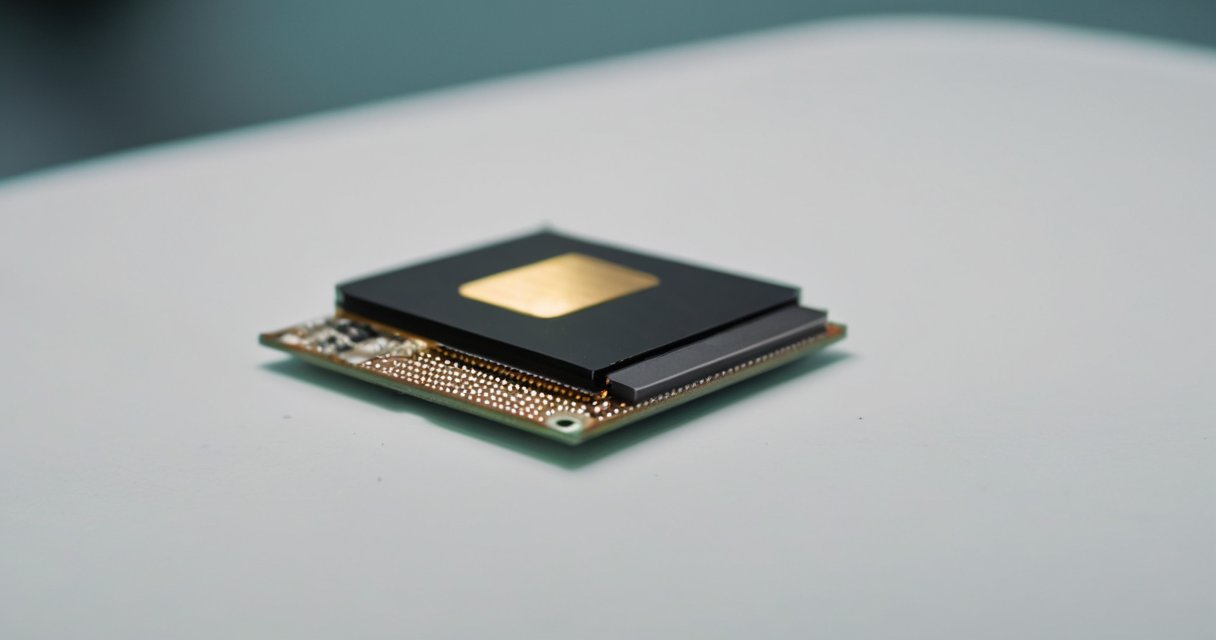
Embedded SIM (eSIM) technology replaces traditional physical SIM cards with a programmable chip embedded directly into devices. Unlike conventional SIMs that require physical swapping, eSIMs allow users to understand how eSIM switches networks digitally via software. This innovation simplifies the process of connecting to mobile networks, making it particularly beneficial for frequent travelers who need to switch carriers quickly without the hassle of changing SIM cards.
The eSIM standard is defined by the GSMA (GSM Association), which outlines the specifications and protocols required for eSIM functionality. This includes everything from prepaid eSIM plans to how the eSIM communicates with the mobile network.
GSMA Standards and Protocols
The GSMA has established several key standards that govern eSIM technology, primarily outlined in the GSMA’s eSIM specifications. These include the Remote SIM Provisioning (RSP) standard, which details how eSIMs can be remotely managed and activated. This means that users can download their mobile profile over the air, providing a seamless transition between different carriers and plans without needing to visit a store.
Additionally, the GSMA’s specifications cover security protocols that ensure the integrity and confidentiality of user data. This includes encryption methods for communication between the eSIM and the mobile network, as well as secure storage for user profiles. Such measures are crucial for maintaining trust in mobile connectivity, especially as more sensitive data is transmitted over networks.
eSIM Provisioning and Management
Provisioning an eSIM involves several steps, starting with the generation of a unique profile by the mobile network operator (MNO). This profile includes all the necessary information for connecting to the network, such as the International Mobile Subscriber Identity (IMSI) and authentication keys. Through the RSP architecture, the profile is securely downloaded to the eSIM chip.
Management of temporary eSIM profiles is equally important. Users can manage multiple profiles on a single eSIM, allowing for easy switching between different carriers or plans. This feature is particularly advantageous for international travelers, as it enables them to choose local networks without incurring exorbitant roaming fees. The user-friendly interface for managing profiles is often integrated into the mobile device’s settings, making it accessible for users of all technical backgrounds.
Impact on Digital Mobility
The adoption of eSIM technology significantly enhances digital mobility with eSIM. For users, it means greater flexibility in choosing mobile plans that suit their needs. They can switch carriers with minimal disruption, making it easier to find the best deals or services while traveling. For businesses, eSIMs facilitate fleet management and IoT applications, where devices can connect to the most suitable network automatically based on location and availability.
Moreover, eSIM technology supports the growing trend of connected devices, from wearables to smart home gadgets. As the Internet of Things (IoT) continues to expand, eSIMs provide a standardized solution for connecting a multitude of devices to mobile networks, streamlining the process of managing data connections.
Challenges in eSIM Implementation
Despite the advantages, the implementation of eSIM technology is not without challenges. One significant hurdle is the need for widespread support among mobile network operators. While many major carriers have embraced eSIMs, smaller or regional providers may lag behind, limiting options for users in certain areas.
Another challenge is interoperability. Devices from different manufacturers may have varying levels of compatibility with eSIM technology, which can create confusion for consumers. Standardization efforts by the GSMA aim to mitigate these issues, but the transition to a fully interoperable ecosystem will take time.
The Future of eSIM Technology
Looking ahead, eSIM technology is poised for further adoption and innovation. As consumer demand for flexible and convenient mobile connectivity grows, more devices will likely incorporate eSIMs. This trend will extend beyond smartphones to include tablets, laptops, and wearables, all benefiting from the ease of connectivity that eSIMs provide.

Furthermore, advancements in eSIM technology could lead to improvements in security features and user experiences. Innovations in remote provisioning and management are likely to enhance how users interact with their devices and networks, making mobile connectivity even more efficient.
Conclusion
The technical standards governing eSIM technology are crucial for understanding international eSIM phone plans and their impact on mobile connectivity. As the industry moves towards a future dominated by digital mobility, the significance of these standards cannot be understated. They not only dictate how eSIMs function but also shape the overall user experience for consumers and businesses alike. With ongoing developments and increasing adoption, eSIMs are set to redefine how we connect to mobile networks, making travel and connectivity more accessible than ever.

I’m a tech enthusiast who loves exploring how eSIMs simplify staying connected while traveling. I spend my free time testing new smartphones and sharing tips on getting the most out of mobile data abroad.