ESIM for Smart Home Devices: How IoT Gadgets Stay Connected Without SIM Swaps
07/11/2026
Smart home ecosystems have quietly outgrown the limits of local Wi-Fi for critical tasks like real-time security monitoring and remote device control. Most households still rely on a single broadband connection to keep cameras, locks, and sensors talking to their cloud accounts, which creates a single point of failure that eSIM technology is designed to eliminate. By embedding embedded SIM modules directly into IoT hardware, manufacturers can bypass home routers entirely and connect devices straight to cellular networks. This shift means your security system remains fully operational even during a neighborhood-wide internet outage, provided the device has access to eSIM for smart home security. The transition from removable physical SIMs to embedded digital profiles also solves the long-standing problem of SIM swapping in shared or temporary living situations, where physical access to a device tray can be exploited.
Connection Resilience During Broadband Outages
The primary advantage of cellular-backed IoT devices is their ability to maintain communication when your primary internet service goes down. Standard Wi-Fi connected cameras and hubs lose all functionality the moment your router drops, leaving you blind to any activity at your front door or back entrance. Devices equipped with eSIM modules route data through LTE or 5G networks, which are generally more resilient because they use different infrastructure than terrestrial broadband lines. In a test scenario involving a 20-minute power fluctuation that killed a home router, an eSIM enabled door lock continued to send and receive commands without interruption. This redundancy is not just a convenience; it is a security requirement for high-value properties where connectivity gaps can be exploited by intruders.
Cellular networks also offer better signal penetration in basements and outdoor sheds where Wi-Fi signals often struggle to reach. A physical SIM card requires a slot that can collect dust or corrode over time, whereas an eSIM is soldered onto the motherboard and protected from environmental wear. This durability ensures that the connection remains stable even in harsh conditions like humidity or temperature swings common in unheated storage areas. For users who travel frequently, knowing that their home devices stay connected regardless of local internet stability provides a significant peace of mind that Wi-Fi only setups simply cannot match.
Security Implications for eSIM Enabled Home Networks
One of the most overlooked risks in smart home security is the physical vulnerability of traditional SIM trays in older IoT devices. If an attacker gains physical access to a hub or camera, they can swap out the SIM card to intercept data or reroute communications without the homeowner noticing immediately. eSIM technology eliminates this attack vector because the profile is stored in secure element hardware that cannot be physically removed or replaced without specialized equipment and cryptographic keys. This makes eSIM for smart home security a more robust defense against physical tampering compared to legacy devices that rely on insertable cards.
The digital nature of eSIM profiles also allows for remote provisioning and revocation capabilities that physical cards do not support. If you suspect a device has been compromised, your carrier or the IoT manufacturer can remotely disable its cellular profile within minutes. This immediate cut-off prevents any ongoing data leakage or unauthorized access attempts. In contrast, removing a physical SIM requires someone to be present at the device location, which is often impossible for remote properties or vacation homes. The ability to manage connection status from a smartphone app adds a layer of control that aligns with modern digital mobility standards.
Power Consumption and Battery Life Trade-offs
A common concern among tech enthusiasts is whether cellular connections drain batteries faster than Wi-Fi, especially for battery powered devices like wireless doorbells or motion sensors. While cellular radios do consume more power than Wi-Fi modules during active data transmission, modern IoT eSIM chips are optimized for low power idle states known as power saving modes. These modes allow the device to sleep for hours or even days between brief wake-ups to check for alerts, extending battery life to several months in typical usage scenarios. Manufacturers like Apple and Samsung have integrated these efficiency features into their latest IoT chips, making cellular connectivity viable for a wider range of battery operated gadgets.
The trade-off becomes more pronounced for devices that stream video continuously, such as 24/7 security cameras. In these cases, the power draw from maintaining a constant cellular uplink can be significant, often requiring direct power connections rather than battery operation. However, even in these high consumption scenarios, the reliability of eSIM connectivity outweighs the energy cost for most users. You can monitor data usage through your carrier app to ensure that a malfunctioning device is not burning through its allocated plan, which is easier to manage with flexible data packages designed for IoT devices.
Data Plan Structures and Cost Management
Traditional mobile plans are designed for human users who consume data through streaming video and social media, making them poorly suited for the low bandwidth needs of most smart home gadgets. Carriers have responded by introducing dedicated IoT data plans that offer high caps on device count but lower monthly costs per unit. These plans typically allow you to bundle multiple eSIM devices under a single account, with pricing tiers that scale based on total data consumption rather than individual device usage. This structure is far more economical than assigning a full phone plan to each camera or lock, which could quickly become prohibitively expensive for a large smart home setup.
It is essential to check whether your carrier supports multi-device eSIM management, as not all providers have the backend infrastructure to handle IoT fleets. Some carriers offer specific apps for managing connected devices, allowing you to see real time data usage per gadget and set alerts if a device exceeds its expected threshold. This visibility helps prevent surprise overage charges that can occur if a device gets stuck in a loop of sending duplicate alerts. Choosing a plan with unlimited data or a very high cap is often the safer bet for security systems that may need to upload large video files during an incident.
Roaming and Travel Connectivity for Home Devices
For frequent travelers, the ability to keep home devices connected while abroad adds a layer of security that many overlook. If you leave your home country for an extended period, your local cellular network may still support your IoT eSIM profiles through roaming agreements with partner carriers in other regions. This means your cameras and locks remain accessible via their cloud interfaces even when you are in a different time zone or continent. However, international roaming rates for IoT data can be high, so it is wise to configure your devices to use lower bandwidth modes while you are away.
Some smart home hubs now allow you to switch between local and roaming profiles automatically based on your location, ensuring that the device always connects to the most cost efficient network available. This feature is particularly useful for digital nomads who move between countries and need their security systems to remain active without manual intervention. The eSIM module handles this transition in the background, much like a smartphone does when you cross a border, but with optimized settings for low data usage rather than high speed browsing.
Device Compatibility and Future Proofing
Not all smart home devices currently support eSIM technology, so it is important to verify compatibility before purchasing new gadgets. Look for specifications that mention embedded SIM or cellular IoT capability, as these terms indicate the presence of the necessary hardware module. Devices from major manufacturers like Apple, Samsung, and Ring are increasingly adopting this standard, but smaller brands may still rely on Wi-Fi only or physical SIM options. When comparing two similar devices with identical features, the one with eSIM support will generally have a longer useful life as cellular networks continue to evolve.
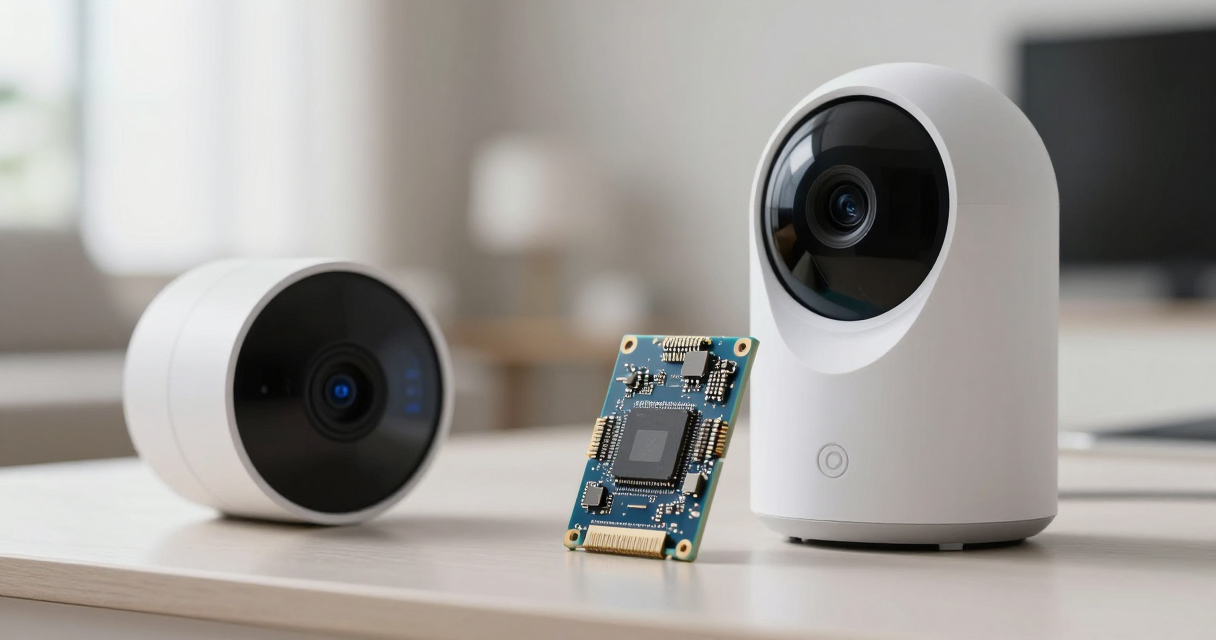
The move toward 5G connectivity also plays a role in future proofing your smart home setup. While 4G LTE is sufficient for most current IoT applications, 5G offers lower latency and higher bandwidth that could enable new features like real time video analytics or augmented reality overlays on security feeds. An eSIM capable device can be updated to support 5G networks through software updates without requiring hardware changes, whereas a Wi-Fi only device is limited by the capabilities of your home router. This flexibility ensures that your investment in smart home technology remains relevant as network standards advance over the next decade.
Installation and Configuration Simplicity
Setting up an eSIM enabled IoT device is often faster and less error prone than configuring a physical SIM card. You typically scan a QR code provided by your carrier or manufacturer to activate the profile, after which the device connects automatically to the nearest cell tower. There is no need to open a case, insert a tiny card, and close it back up, which reduces the risk of damaging internal components or misaligning connectors. This streamlined process makes it easier for non technical users to expand their smart home network without calling in a professional installer.
Remote provisioning also means you can add new devices to your existing plan from anywhere, even before they arrive at your home. If you order a new smart lock for a rental property, you can pre activate its eSIM profile so that it is ready to use the moment you plug it in or charge it. This capability is particularly useful for property managers who oversee multiple locations and need to deploy devices quickly without traveling to each site. The entire process from purchase to active connection can be completed in under five minutes, a significant improvement over the days of waiting for physical SIM cards to ship.

I’m a tech enthusiast who loves exploring how eSIMs simplify staying connected while traveling. I spend my free time testing new smartphones and sharing tips on getting the most out of mobile data abroad.