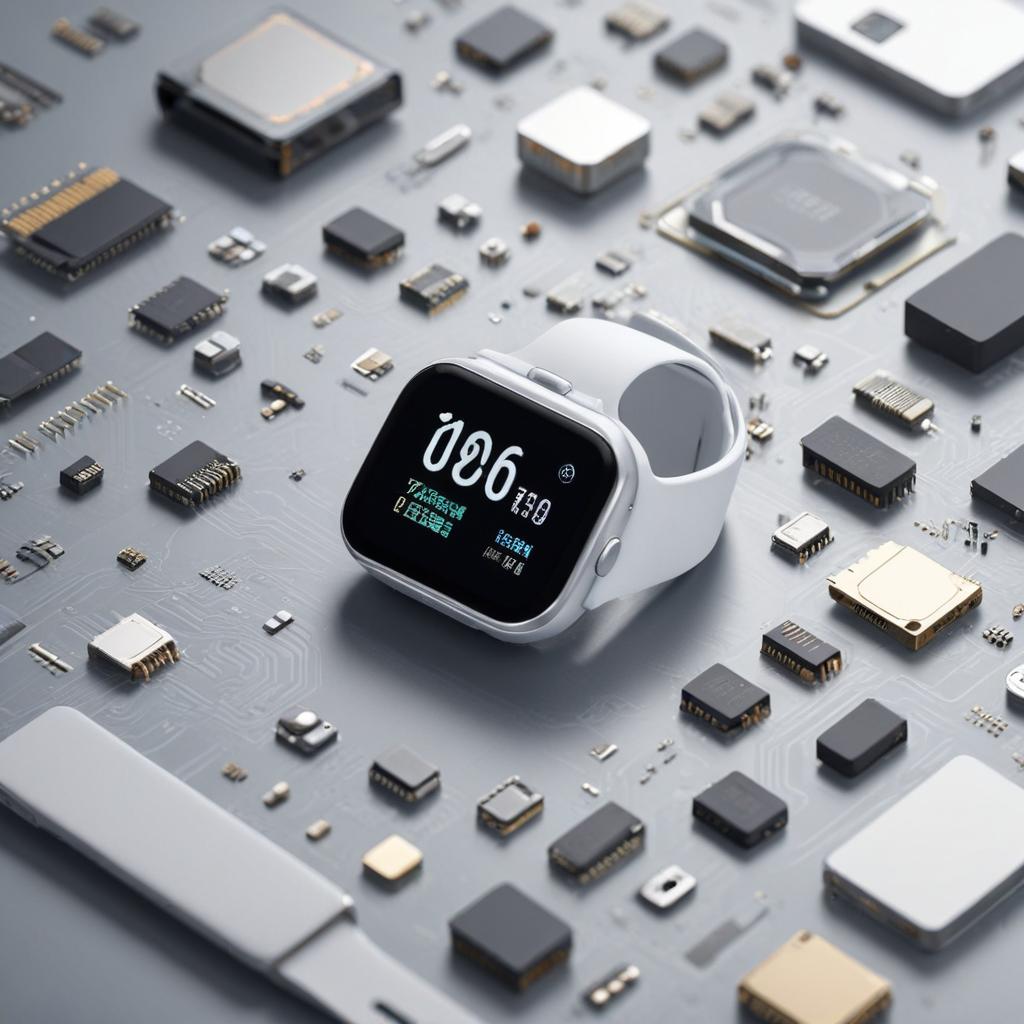
eSIM for wearable devices
18/03/2026
Introduction to eSIM for Wearable Devices
eSIM technology, short for embedded SIM, is revolutionizing wearable connectivity by allowing smart devices such as smartwatches, fitness trackers, and other Internet of Things (IoT) wearables to connect to cellular networks without the need for a traditional physical SIM card. Unlike conventional SIM cards that require manual insertion and replacement, an eSIM is a small chip embedded directly into the device’s hardware. This embedded nature of the wearable eSIM enables seamless and instant provisioning of network profiles remotely by carriers, simplifying the user experience considerably.
Wearable eSIM plays a crucial role in enhancing the form factor and design of smart devices. By eliminating the space needed for a physical SIM card tray, manufacturers can make wearables slimmer, lighter, and more water-resistant, which is essential for devices like fitness trackers and smartwatches that are intended to be worn continuously. Moreover, eSIM technology supports multiple network profiles, allowing users to switch carriers or plans without changing SIM cards, which is particularly valuable for travelers or those looking for flexible connectivity options.
In the context of smart devices, the integration of eSIM technology provides a more reliable and secure connection. Since the eSIM is soldered onto the device’s circuit board, it is less prone to damage or theft compared to removable SIM cards. This security advantage is vital for wearables used to monitor health metrics or handle sensitive communications. Additionally, the ability to remotely update the eSIM profile means that wearable devices can maintain continuous connectivity with minimal user intervention, ensuring they remain functional and up-to-date at all times.
As IoT wearables continue to grow in popularity and complexity, eSIM technology is set to become a standard feature within this ecosystem. It offers unmatched convenience and flexibility in managing wearable connectivity, making the technology indispensable for modern smart devices. Whether it’s tracking fitness goals, managing personal health, or enhancing communication on the go, wearable eSIM empowers users with a seamless, always-connected experience.
What is eSIM and How It Works
eSIM, or embedded SIM technology, represents a significant evolution in mobile connectivity by replacing traditional physical SIM cards with a digital alternative. Unlike conventional SIM cards that require a physical slot and manual swapping, an eSIM is a small chip embedded directly into a device’s motherboard. This integration allows devices, especially wearable ones, to maintain a more compact and seamless design without sacrificing connectivity.
The eSIM functionality is designed to store multiple operator profiles securely, enabling users to switch carriers or plans without needing a new SIM card. This flexibility offers convenience and enhances user experience, particularly for wearable devices that benefit from minimal hardware space. As a SIM card replacement, eSIMs streamline the activation process, often allowing remote provisioning and management through software updates and carrier portals.
In wearable devices like smartwatches and fitness trackers, eSIM technology is crucial because it supports cellular connectivity without adding bulk. Through embedded SIMs, these devices can independently connect to cellular networks for calls, messaging, and data services, all while maintaining a sleek, lightweight form factor. The integration of embedded SIM technology thus elevates the functionality of wearables, making them more versatile and user-friendly.
Benefits of Using eSIM in Wearables
The adoption of eSIM technology offers significant advantages for wearable devices, enhancing both performance and user satisfaction. One of the primary eSIM advantages is improved connectivity. Unlike traditional SIM cards, eSIMs provide seamless network switching and better signal management, ensuring wearables remain reliably connected whether at home or on the go.
Wearable device benefits also stem from the eSIM’s compact, space-saving design. By eliminating the need for a physical SIM slot, manufacturers can create sleeker, more lightweight devices without compromising functionality. This design freedom allows for innovative form factors and more internal space for additional sensors or larger batteries.
Another crucial benefit is remote provisioning, which greatly simplifies the setup and management of connectivity. Users can activate or switch their service plans remotely without needing to visit a store or swap SIM cards physically. This feature provides unmatched convenience and flexibility, particularly useful for travelers or those with multiple devices.
Overall, the enhanced user experience brought by eSIM technology in wearables is undeniable. Users enjoy uninterrupted connectivity improvements, hassle-free activation, and more aesthetically pleasing device designs. These combined benefits not only make wearables more functional but also pave the way for broader adoption and innovative applications in the connected device ecosystem.
Applications and Use Cases of eSIM in Wearable Devices
eSIM technology has revolutionized wearable devices by significantly enhancing their functionality and user experience. One of the primary wearable use cases for eSIM applications is in fitness trackers. These devices benefit from eSIM integration by allowing seamless connectivity without the need for physical SIM cards, enabling users to stay connected with real-time health data updates and notifications, even when away from their smartphones.
Smartwatch connectivity is another sector where eSIM technology plays a crucial role. With eSIM, smartwatches can operate independently for calls, messages, and internet access, which enhances their convenience and usability. This capability is especially beneficial during activities such as jogging, cycling, or traveling, where carrying a phone might be inconvenient. Users enjoy the freedom of staying connected through their smartwatch alone, thanks to the embedded eSIM.
Moreover, eSIM applications extend to advanced healthcare wearables that require reliable, uninterrupted connectivity to transmit vital data to healthcare providers in real time. This makes remote patient monitoring more efficient, supporting better healthcare outcomes. The embedded nature of eSIM in these wearables ensures durability and resistance to wear and tear, which physical SIM slots might compromise.
In addition to fitness trackers and smartwatches, eSIM technology finds use in wearable safety devices like GPS trackers for children or elderly individuals. These devices rely on continuous network connectivity for location tracking and emergency alerts, where eSIM helps maintain persistent and stable connections without manual SIM management.
Finally, the versatility of eSIM supports multi-carrier connectivity in wearable gadgets, allowing users to switch between mobile network providers seamlessly. This ensures better coverage, optimized costs, and a smoother user experience, particularly for frequent travelers who need reliable access across different regions.
Overall, the integration of eSIM technology in wearable devices unlocks numerous applications and use cases, improving performance and providing a more flexible and connected user experience.
Fitness and Health Tracking Devices
eSIM technology plays a crucial role in enhancing the functionality of fitness trackers and health monitors by enabling constant connectivity without the need for physical SIM cards. This constant connectivity allows wearable health tech devices to sync data in real-time, providing users with up-to-date information on their health metrics such as heart rate, activity levels, sleep quality, and more. The always-on connection supported by eSIM means that these devices can continuously communicate with smartphones, cloud services, or healthcare providers, ensuring that users have immediate access to their personal health data anytime and anywhere.
In addition to real-time data synchronization, eSIM fitness benefits include increased reliability for emergency features embedded in many wearables. For example, if a user experiences a sudden health issue, devices equipped with eSIM can automatically send alerts and location details to emergency contacts or medical services, even without being paired directly to a smartphone. This independent connectivity improves safety and peace of mind, especially for individuals with chronic conditions or those engaged in intense physical activities.
Overall, eSIM integration supports the seamless operation of fitness trackers and wearable health tech by providing uninterrupted network access, enhancing user experience, and expanding the potential for proactive health management through continuous monitoring and timely response features.
Smartwatches and Communication
eSIM technology has revolutionized smartwatch connectivity by enabling cellular smartwatches to operate independently from smartphones. Traditionally, smartwatches relied heavily on paired smartphones for calls, texts, and internet access. However, with the integration of eSIM watches, users can now enjoy full communication capabilities directly from their wearable devices without needing their phone nearby.
eSIM embedded in smartwatches allows for seamless activation of cellular plans, providing independent communication channels. This means users can make and receive calls, send and receive texts, and access the internet even when their smartphones are turned off or left behind. The flexibility offered by eSIM makes cellular smartwatches a highly convenient and versatile tool for staying connected on the go.
With eSIM-enabled smartwatches, the need to carry multiple devices is significantly reduced. The smartwatch itself becomes a standalone communication hub, ensuring that users are reachable at all times and can stay connected no matter their circumstances. This independence enhances mobility and offers greater freedom in managing personal and professional communications.
In summary, eSIM technology empowers smartwatches with cellular capabilities that free them from the dependency on smartphones. This enables uninterrupted connectivity, making eSIM watches an essential innovation in wearable device communication.
Challenges and Future Trends of eSIM in Wearables
While eSIM technology promises significant advancements for wearable devices, several eSIM limitations currently challenge its widespread adoption. One of the primary hurdles is the complexity of integrating eSIM hardware within the compact and power-sensitive designs of wearables. The miniature size constraints make it difficult to balance performance and battery life, often leading to compromises in connectivity or device longevity. Additionally, interoperability issues arise as wearable tech manufacturers and mobile network operators work to standardize eSIM profiles and activation processes worldwide, slowing seamless user experiences.
Security concerns also rank high among the challenges for eSIM integration in wearables. Since wearables frequently share sensitive personal and health data, ensuring robust encryption and tamper-proof authentication methods is critical. As the technology matures, manufacturers must address these wearable tech challenges to secure consumer trust and comply with increasingly stringent data privacy regulations.
Despite these obstacles, the future of eSIM in wearables is promising, driven by continuous innovation and emerging trends. One key development is the shift toward remote SIM provisioning and management, allowing users and service providers to switch carriers or manage subscriptions effortlessly without physical SIM swaps. This flexibility enhances convenience and paves the way for more dynamic connectivity options tailored to individual lifestyles.
Moreover, advancements in nano-scale electronics and energy-efficient designs are expected to reduce the impact of current eSIM limitations in wearable devices. With more efficient power management, wearables will be able to sustain longer battery life while maintaining consistent network connectivity. Integration of AI and IoT ecosystems also signals a future where eSIM-enabled wearables can interact intelligently with multiple devices and networks, unlocking innovative use cases in health monitoring, fitness, and augmented reality.
As wearable innovation accelerates, eSIM technology will continue to evolve, overcoming today’s challenges and expanding opportunities. The collaboration between device makers, mobile carriers, and standards organizations is crucial to realizing a fully connected ecosystem powered by flexible, secure, and user-friendly eSIM solutions for wearables.
Technical and Security Challenges
Deploying eSIM technology in wearable devices presents several technical and security challenges that must be carefully addressed. One of the primary concerns involves ensuring robust eSIM security to protect sensitive user data and prevent unauthorized access or tampering. Wearables often have limited processing power and battery capacity, which complicates the implementation of advanced security protocols and encryption algorithms necessary for safeguarding eSIM profiles.
Integration challenges also arise due to the diverse range of wearable devices, each with its own hardware and software configurations. Compatibility between eSIM technology and different operating systems or communication standards must be maintained to ensure seamless connectivity and user experience. This can lead to significant technical limitations, especially in less common or specialized wearable devices where standard eSIM profiles may not be directly supported.
Moreover, the physical size constraints of wearables impose limitations on the eSIM module design, requiring innovative miniaturization without compromising functionality. These constraints sometimes result in reduced memory capacity and limited update capabilities within the eSIM, impacting overall device performance and security resilience. Therefore, addressing these technical and security challenges is crucial for advancing wearable device security and fully leveraging the benefits of eSIM deployment in this fast-growing market segment.
Emerging Trends and Innovations
The future of eSIM technology is poised for significant advancements, particularly in the realm of wearable tech trends. As eSIM adoption widens across an increasing variety of devices beyond smartphones, wearables are becoming a key focus area. This broader adoption not only enhances device connectivity but also plays a crucial role in seamless IoT integration, enabling smart devices to communicate effortlessly within ecosystems. Such integration is driving more intelligent and responsive wearable solutions, offering users enhanced functionality and convenience.
In terms of eSIM advancements, ongoing improvements in eSIM management are making the activation, switching, and provisioning processes smoother and more user-friendly. These innovations reduce dependency on physical SIM cards and carrier-specific constraints, fostering a more flexible and scalable mobile connectivity landscape. This is essential for wearables, which require compact and efficient connectivity solutions to maintain their sleek form factors without compromising on performance.
Furthermore, the continued evolution of wearable tech trends combined with enhanced IoT integration positions eSIM as a cornerstone technology for the next generation of connected devices. With smartwatches, fitness trackers, health monitors, and other wearable devices increasingly relying on embedded eSIMs, the potential for more personalized, secure, and adaptive mobile experiences is greater than ever. This intersection of technology heralds a future where connectivity is not just ubiquitous but also intelligently managed through advanced eSIM technology.

I’m a tech enthusiast who loves exploring how eSIMs simplify staying connected while traveling. I spend my free time testing new smartphones and sharing tips on getting the most out of mobile data abroad.