Understanding eSIM chip technology
09/08/2026
If you’ve unboxed a new iPhone or Samsung Galaxy in the last two years, you’ve probably noticed the absence of a tiny plastic tray where the SIM card used to live. That empty slot isn’t a manufacturing oversight, it’s the first clue that your phone now relies on an eSIM chip, a digital SIM soldered directly onto the device’s main circuit board. To activate cellular service with eSIM, you only need a QR code or a few taps in your phone’s settings, unlike the removable nano-SIM you’ve swapped between phones for decades. This shift isn’t just a hardware tweak; it’s redefining how travelers, remote workers, and even casual users connect to mobile networks around the world, eliminating the need for physical SIM cards and the hassle of finding a local carrier every time you cross a border.
What an eSIM Chip Actually Is and How It Differs from a Physical SIM
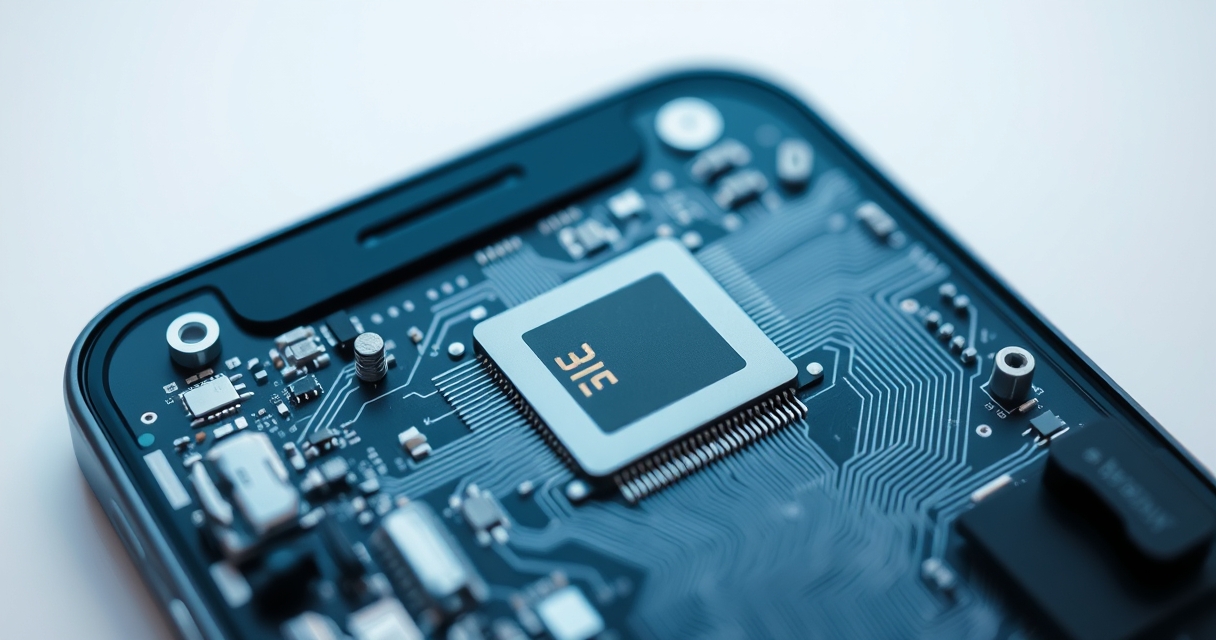
The tiny, programmable integrated circuit inside your device enables dual eSIM functionality in smartphones, tablets, or smartwatches. Measuring roughly 6 millimeters by 5 millimeters, it’s about the size of a grain of rice and is soldered onto the device’s motherboard during manufacturing. Unlike a traditional SIM card, which stores a single carrier profile on a removable plastic chip, an eSIM is rewritable. This means you can download, store, and switch between multiple carrier profiles without ever opening the device or handling a physical card. The chip adheres to the GSMA’s eSIM specification, which standardizes how carriers and devices communicate, ensuring compatibility across brands and regions.
The key difference lies in the storage and activation process. A physical SIM contains a fixed set of credentials, your phone number, authentication keys, and network access details, etched onto its surface. When you insert it, your phone reads these credentials and connects to the carrier’s network. An eSIM, however, stores these credentials digitally in a secure, encrypted partition of the chip. When you scan a QR code or enter an activation code from your carrier, the eSIM downloads the profile over the air and installs it in seconds. This digital flexibility allows you to store up to 10 profiles on some devices, though only one can be active at a time. The chip itself doesn’t change; what changes is the software profile it loads, making it possible to switch from AT&T to T-Mobile or from a local Thai carrier to a European one without ever touching a SIM ejector tool.
This design also improves durability. Physical SIMs can be lost, damaged, or misaligned in the tray, leading to connection drops. An eSIM, being soldered in place, eliminates these risks. It also frees up internal space, allowing manufacturers to make devices thinner or add larger batteries. For travelers, the real advantage is speed. Instead of hunting for a SIM vendor at the airport, you can purchase and activate a local data plan before you even land, ensuring you’re connected the moment you step off the plane.
The Technical Architecture Behind eSIM Chips
The eSIM chip is built around a secure element, a tamper-resistant hardware component that stores sensitive data like encryption keys and carrier credentials. This secure element is isolated from the rest of the device’s operating system, preventing malware or unauthorized apps from accessing your mobile network credentials. Inside the chip, profiles are stored in a dedicated file system that complies with the GSMA’s Remote SIM Provisioning standard. Each profile contains everything a carrier needs to authenticate your device on its network: the International Mobile Subscriber Identity, authentication keys, and network-specific configurations like APN settings for data access.
When you activate an eSIM, the process begins with a bootstrap profile, a minimal set of credentials pre-loaded by the device manufacturer. This profile connects to a carrier’s subscription manager, a cloud-based system that verifies your identity and delivers the full profile. The subscription manager uses encrypted channels to transmit the profile, ensuring no one can intercept or tamper with your data. Once downloaded, the profile is installed in the eSIM’s secure storage, and your device immediately switches to the new network. This entire sequence typically takes less than 30 seconds, a fraction of the time it takes to insert and configure a physical SIM.
The architecture also supports remote management. If a carrier updates its network settings or you need to change your plan, the subscription manager can push updates directly to your eSIM without requiring a new QR code. This is particularly useful for travelers who might need to adjust their data allowance mid-trip. Some advanced implementations even allow for profile swapping via SMS or carrier apps, letting you switch between plans with a single tap. The chip’s firmware is designed to be future-proof, with over-the-air updates that add new features like support for 5G standalone networks or enhanced security protocols as they become available.
How eSIM Chips Simplify Travel and International Roaming
For travelers, eSIM chips eliminate the most frustrating part of international trips: finding and installing a local SIM card. Instead of searching for a kiosk at the airport or navigating a foreign-language carrier website, you can purchase and activate a local data plan from your hotel room or even before you leave home. Many eSIM providers offer plans tailored to specific countries or regions, with options ranging from 1GB for a weekend trip to 100GB for a month-long stay. Activation is as simple as scanning a QR code or entering a short activation code, and your phone connects to the local network within seconds. This immediacy is invaluable when you need directions, translation, or ride-hailing services the moment you land.
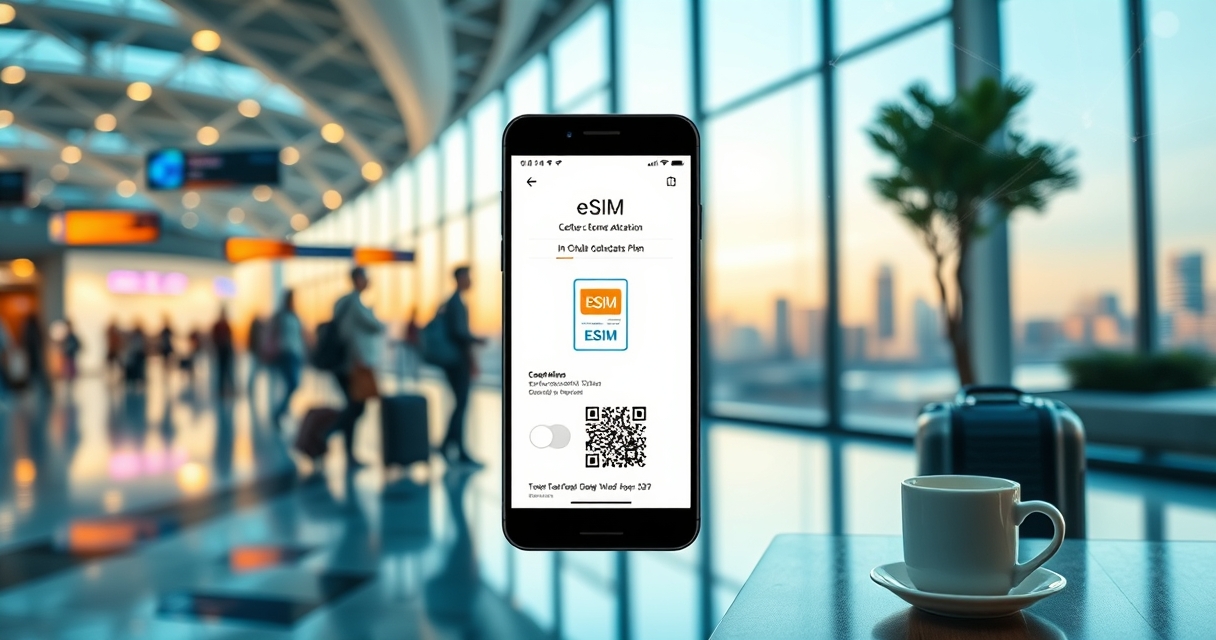
The flexibility extends beyond just switching carriers. prepaid eSIM plans allow you to maintain your primary number for calls and texts while adding a local data plan for internet access. This dual-SIM functionality, available on most modern smartphones, lets you receive WhatsApp messages on your home number while using a local data plan for maps and social media. Some devices even allow you to assign different profiles to different apps, so your email uses your home carrier while your browser uses the local data plan. This setup avoids exorbitant roaming fees while keeping you reachable on your primary number, a balance that was nearly impossible with physical SIMs.
Understanding phone compatibility with eSIM is easier when you consider how eSIMs solve the problem of carrier lock-in. Many travelers face issues because their phones don’t support eSIM, often due to being locked to a specific carrier and refusing local SIMs. With an eSIM, this limitation disappears. Since the chip is rewritable, you can download profiles from any compatible carrier, regardless of where you bought your phone. This is especially useful in regions like Europe, where carriers offer short-term tourist plans that are far cheaper than roaming with your home provider. For example, a 30-day plan in France might cost €10 for 20GB, while roaming with a U.S. carrier could run $10 per day. The savings add up quickly, and the convenience of switching plans on the fly means you’re never stuck with a plan that doesn’t fit your needs.
Device Compatibility and Which Smartphones Support eSIM Chips
eSIM support has become standard in flagship smartphones over the past few years, but not all devices are created equal. Apple was an early adopter, introducing eSIM in the iPhone XS, XR, and later models, including the entire iPhone 15 lineup. Google followed suit with the Pixel 2 and newer devices, while Samsung added eSIM support starting with the Galaxy S20 series. Most high-end Android phones, including those from OnePlus, Motorola, and Sony, now include eSIM chips, though some budget models still rely on physical SIMs. It’s worth noting that even among supported devices, the number of profiles you can store varies. iPhones, for example, can hold up to 10 eSIM profiles, while many Android phones cap out at 5 or 6.
Compatibility isn’t just about hardware; it’s also about carrier support. In the U.S., all major carriers, AT&T, T-Mobile, and Verizon, offer eSIM activation, but the process differs slightly between them. T-Mobile, for instance, allows you to activate an eSIM directly from their app, while Verizon often requires a visit to their website or a store. Internationally, support varies widely. In Europe, carriers like Vodafone, Orange, and Deutsche Telekom have embraced eSIM, offering tourist plans that can be activated instantly. In Asia, however, some carriers still require in-person registration for eSIMs, particularly in countries with strict telecom regulations like China and Japan. Before traveling, it’s wise to check your destination’s eSIM support, as well as your phone’s ability to switch between profiles without a reboot, a feature that isn’t universal.
Beyond smartphones, eSIM chips are appearing in tablets, smartwatches, and even laptops. The iPad Air and iPad Pro have supported eSIM since 2018, while the Apple Watch Series 3 and later can connect to cellular networks independently of your phone. Samsung’s Galaxy Watch 5 and 6 also include eSIM, as do some Windows laptops like the Surface Pro X. These devices benefit from the same flexibility as smartphones, allowing you to add a data plan without needing a separate SIM card. For travelers, this means your smartwatch can stay connected to maps and notifications even if your phone is in airplane mode, and your tablet can access the internet without relying on Wi-Fi hotspots.
The Security Advantages of eSIM Chips Over Physical SIMs
Security is one of the most underappreciated benefits of eSIM chips. Physical SIM cards can be removed, cloned, or stolen, giving attackers access to your phone number and carrier account. An eSIM, being soldered to the device’s motherboard, cannot be physically removed or duplicated without specialized equipment. The chip’s secure element encrypts all stored profiles, making it nearly impossible for malware to extract your credentials. Even if your phone is lost or stolen, the eSIM profiles can be remotely wiped or deactivated, preventing unauthorized use. This is a significant improvement over physical SIMs, which can be swapped into another device and used to intercept calls, texts, or two-factor authentication codes.
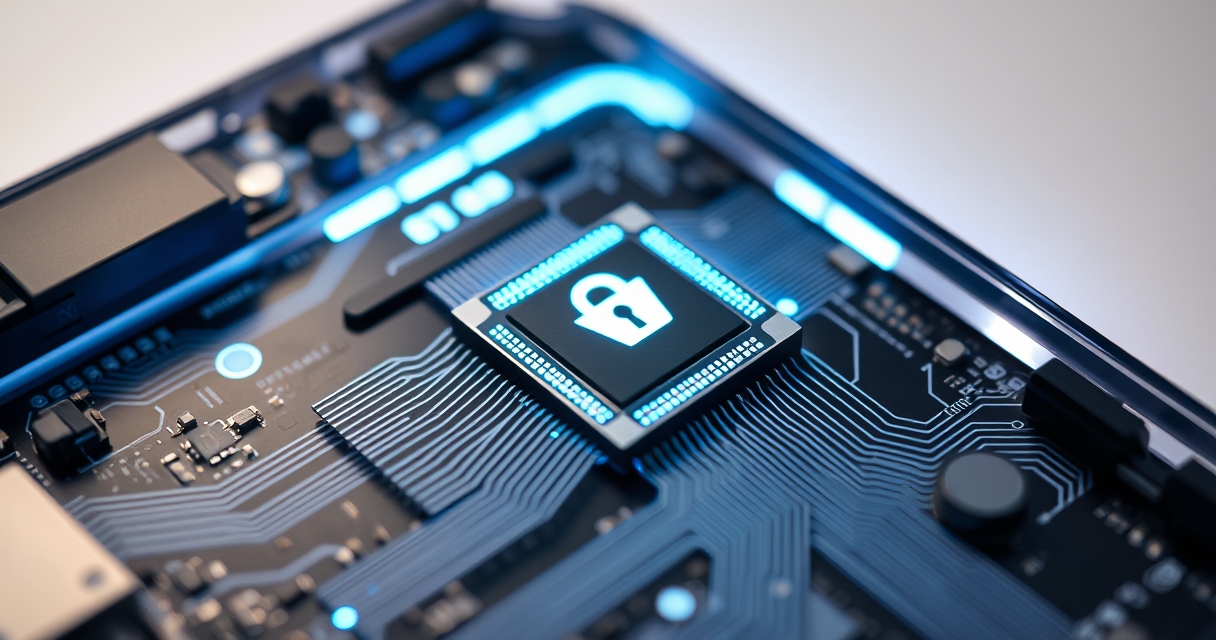
The remote provisioning process also enhances security. When you activate an eSIM, the carrier’s subscription manager verifies your identity using encrypted channels, reducing the risk of man-in-the-middle attacks. This is particularly important for travelers, who often connect to unsecured Wi-Fi networks in hotels and cafes. With a physical SIM, an attacker could potentially intercept the activation process and redirect your service to a malicious network. With an eSIM, the entire transaction is encrypted, and the profile is installed directly onto the secure element, leaving no opportunity for interception. Additionally, eSIMs support advanced authentication protocols like EAP-SIM and EAP-AKA, which provide stronger security than the older methods used by physical SIMs.
Another security advantage is the ability to compartmentalize profiles. If you use separate eSIMs for work and personal use, a compromise in one profile doesn’t necessarily affect the other. For example, if your work eSIM is exposed in a data breach, your personal number and data remain secure. This separation is difficult to achieve with physical SIMs, which typically require a second phone or a dual-SIM device. Some eSIM implementations also allow for temporary profiles, which expire after a set period. This is useful for travelers who only need a data plan for a few days, as it eliminates the risk of forgotten SIMs lingering in your account. The chip’s firmware is regularly updated to address new threats, ensuring that security remains robust even as attack methods evolve.
How eSIM Chips Are Changing the Mobile Carrier Landscape
eSIM chips are dismantling the traditional barriers between carriers, making it easier for users to switch providers or use multiple services simultaneously. In the past, switching carriers often meant waiting for a new SIM card to arrive in the mail or visiting a store to pick one up. With eSIMs, the process takes minutes, and you can even test a new carrier’s service before committing. This has led to increased competition, as smaller carriers and virtual network operators can now compete on equal footing with industry giants. For example, a traveler in Europe can easily switch from Vodafone to a local MVNO like LycaMobile without needing a new SIM, forcing carriers to improve their pricing and service to retain customers.
The rise of eSIMs has also given birth to a new category of mobile service providers: digital-only carriers. Companies like Airalo, Holafly, and Nomad offer eSIM plans tailored to travelers, with data packages for specific countries or regions. These providers don’t operate physical stores or issue SIM cards; instead, they sell profiles that can be downloaded and activated instantly. This model reduces overhead costs, allowing them to offer competitive rates. For instance, a 5GB plan for Japan might cost $15 from a digital provider, compared to $50 or more from a traditional carrier’s roaming plan. This shift is particularly impactful in emerging markets, where eSIM adoption is accelerating. In Africa, for example, eSIMs are enabling new business models, such as pay-as-you-go data plans that can be activated via mobile money services like M-Pesa.
The impact on roaming is equally significant. Traditional roaming relies on agreements between carriers, which often result in high fees for users. With eSIMs, travelers can bypass these agreements entirely by purchasing a local data plan from a digital provider. This has forced traditional carriers to rethink their roaming strategies, leading to more affordable international plans. Some carriers now offer eSIM-specific roaming packages, such as T-Mobile’s $5 per day international data pass, which can be activated and deactivated on demand. The ability to switch between profiles also means users are no longer tied to a single carrier for life. If a carrier’s service deteriorates or their prices increase, switching to a competitor is as simple as downloading a new profile. This fluidity is reshaping the mobile industry, putting more power in the hands of consumers and forcing carriers to innovate to stay relevant.

I’m a tech enthusiast who loves exploring how eSIMs simplify staying connected while traveling. I spend my free time testing new smartphones and sharing tips on getting the most out of mobile data abroad.